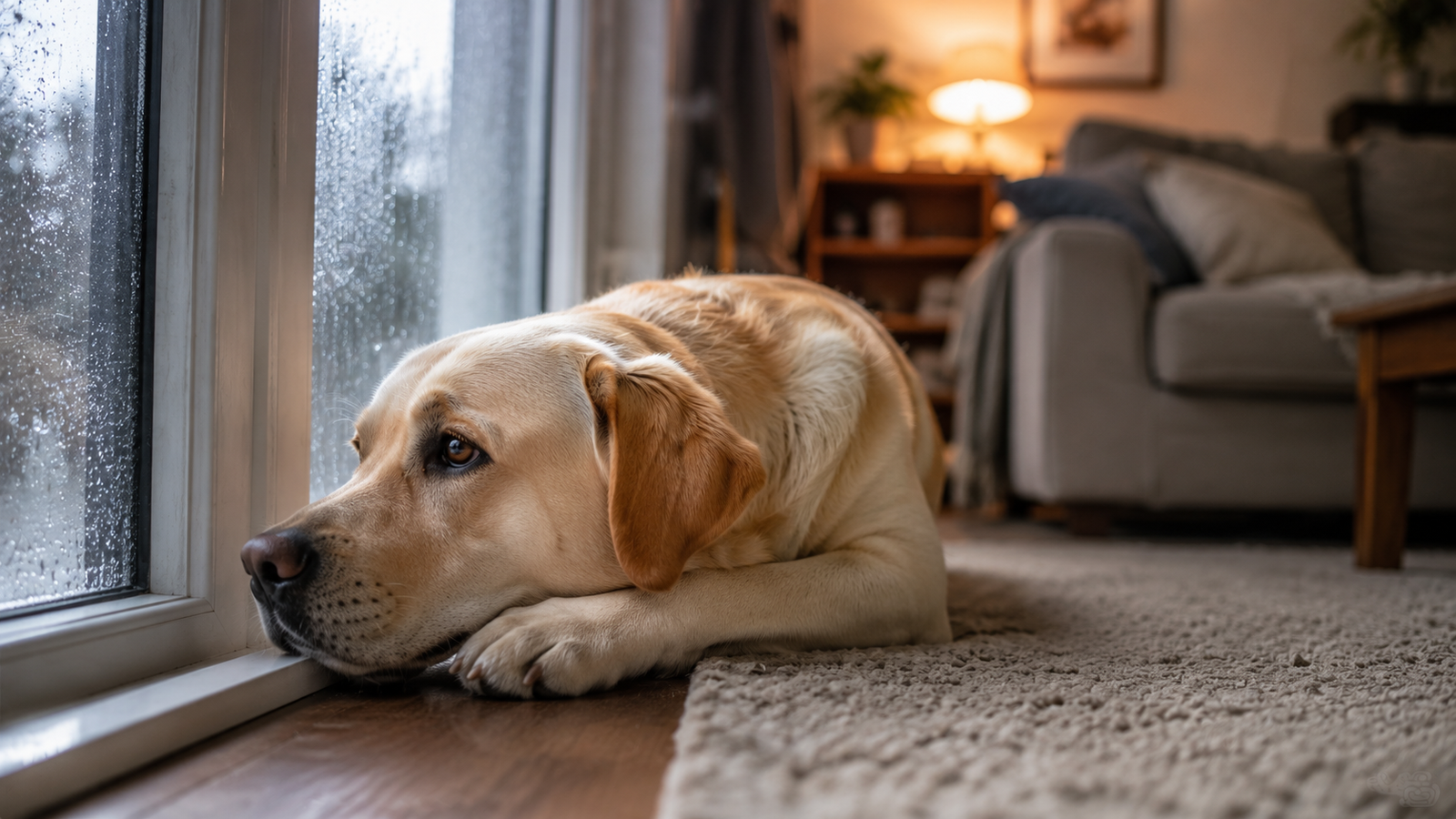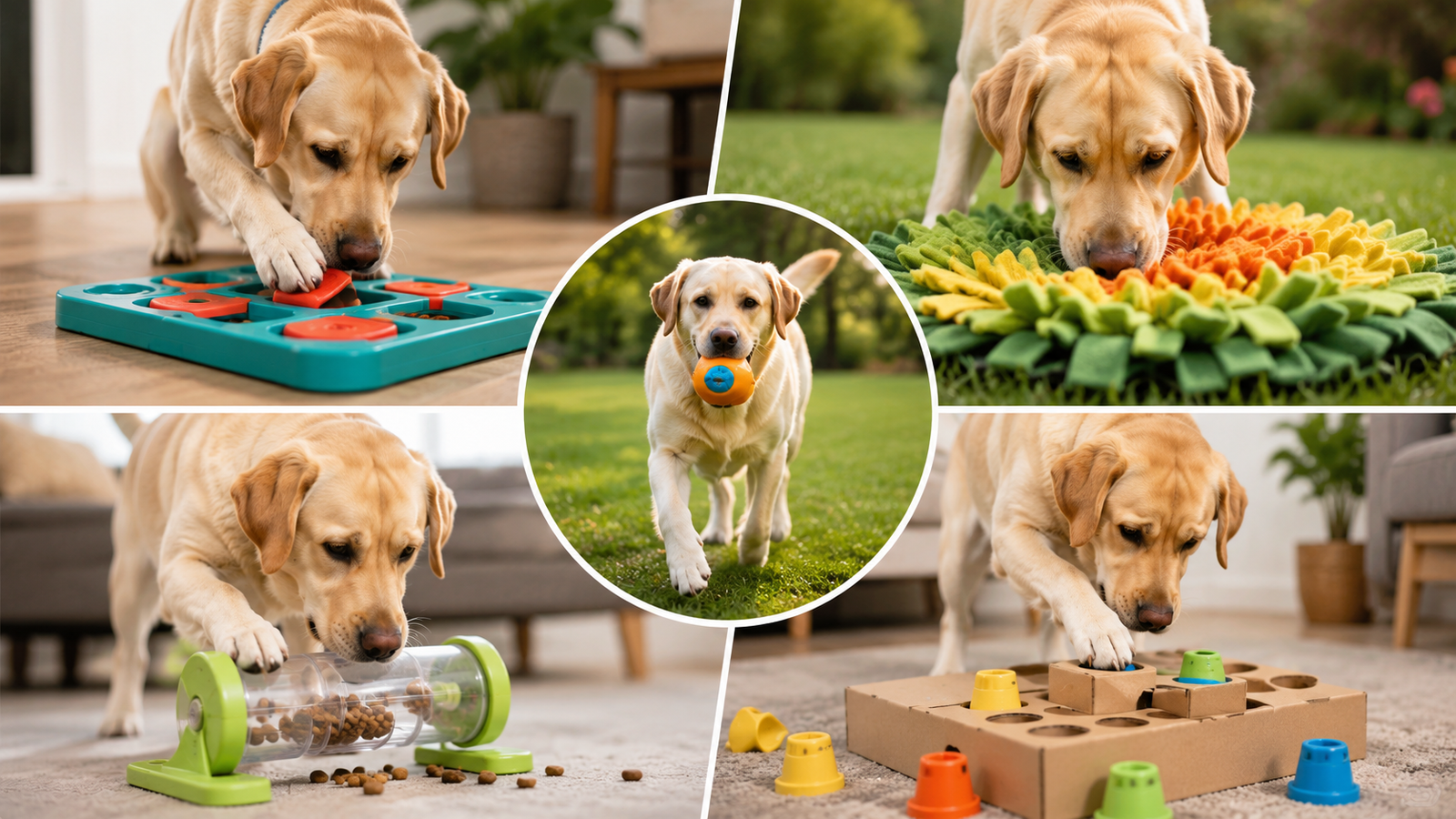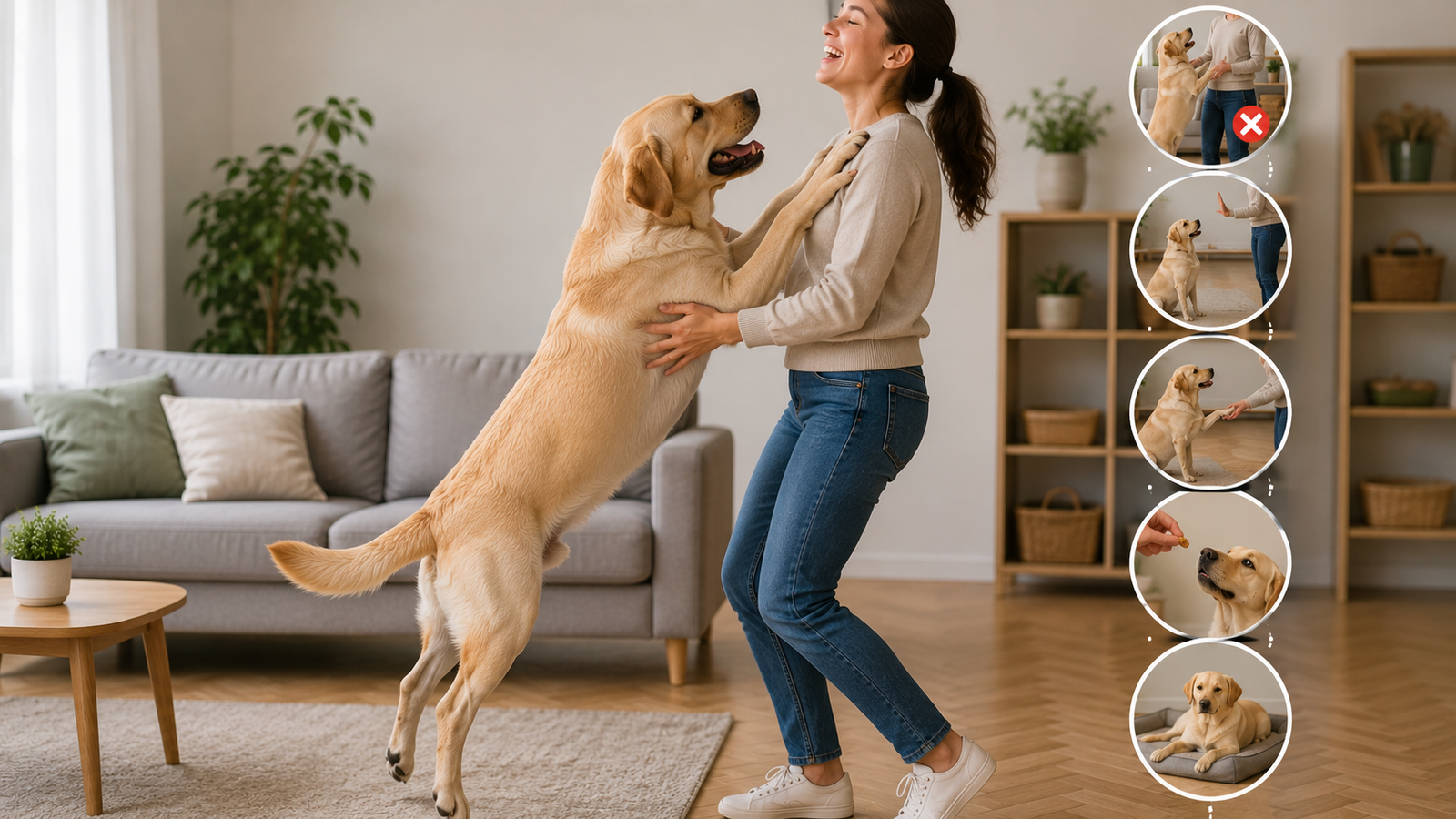
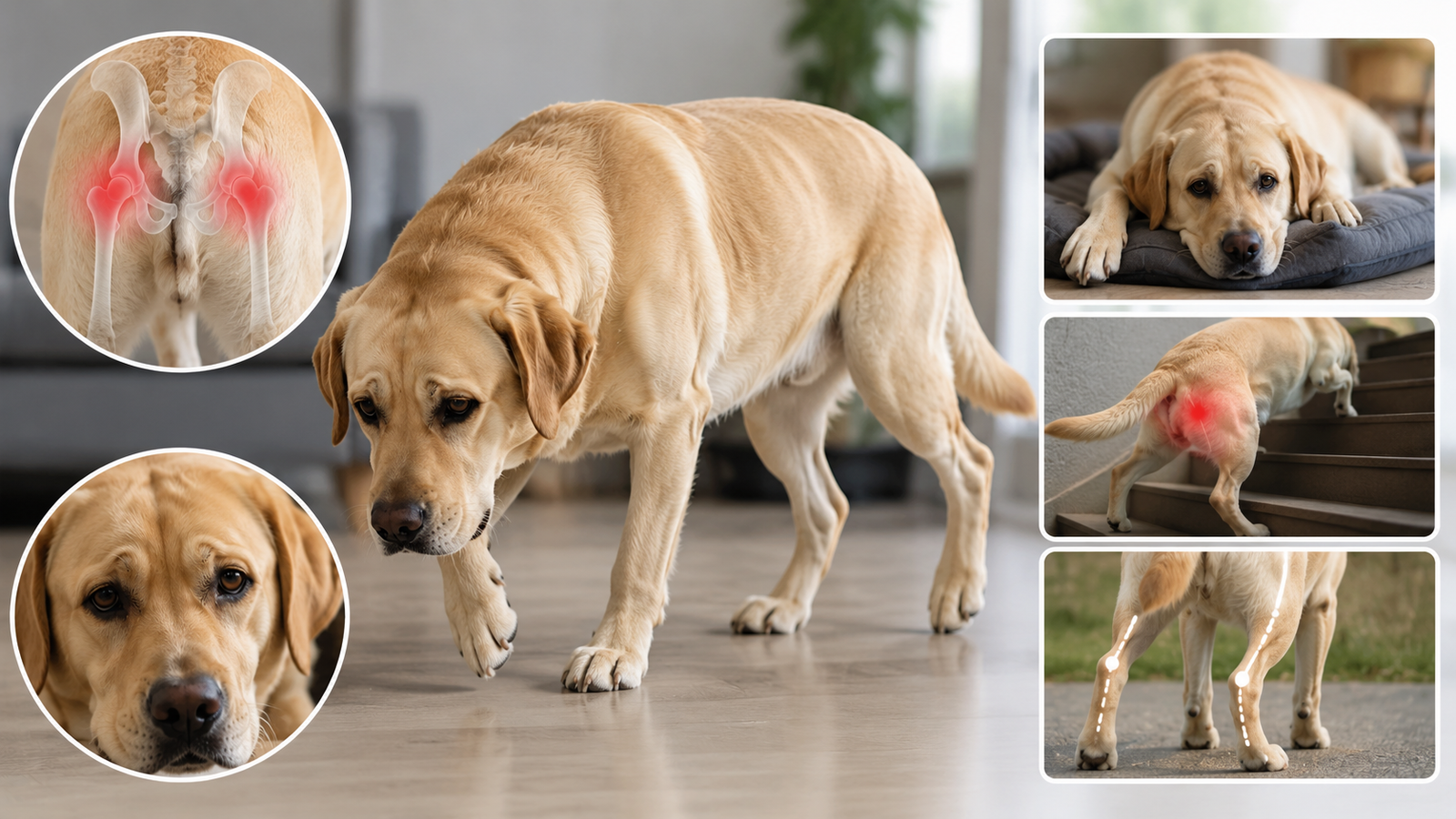
You throw the tennis ball across the yard, and your Labrador Retriever takes off like a rocket. But as they turn to head back, you notice a subtle hitch in their stride. Later that evening, when it’s time for dinner, your normally enthusiastic companion hesitates at the base of the stairs, looking up at the steps with an unusual air of reluctance. When they finally do stand up from their orthopedic bed, their hindquarters seem stiff, moving with a slow, heavy tightness that takes several minutes to shake off.
It is heartbreaking to watch the world’s most energetic, joyful breed slow down. Because Labradors possess an incredible work ethic and an incredibly high pain threshold, they will quite literally run until their joints give out, masking their discomfort until the structural damage is already severe.
Many owners dismiss these early behavioral shifts as simple laziness, a pulled muscle, or a normal consequence of “slowing down with age.” In reality, these are the classic, whispering signs of hip dysplasia in Labradors.
Catching this inherited orthopedic condition in its infancy is the single most powerful factor in saving your dog from chronic, debilitating arthritis. This definitive guide breaks down the clinical, behavioral, and mechanical signs of hip dysplasia across all life stages, giving you the exact blueprint needed to protect your Lab’s mobility.
What is Hip Dysplasia? The Mechanical Breakdown
To accurately identify the symptoms, you must first understand the mechanical failure occurring inside your dog’s hips.
The canine hip is a classic ball-and-socket joint. In a structurally perfect Labrador, the ball at the top of the thigh bone (femoral head) sits deeply and snugly inside the pelvic socket (acetabulum). The surfaces are coated in thick, slippery articular cartilage and lubricated by synovial fluid, allowing for frictionless, high-impact movement.
When a Labrador suffers from hip dysplasia, a genetic mismatch causes the bones to grow at uneven rates during puppyhood. The result is joint laxity—an imperfect, loose fit where the ball sloshes around loosely inside a shallow socket.
As your dog walks, runs, and leaps, this laxity causes the bones to physically grind against one another. This persistent grinding shears away the protective cartilage, inflames the joint capsule, and triggers the rapid development of osteoarthritis (degenerative joint disease).
Early Signs of Hip Dysplasia in Labrador Puppies (Juvenile Onset)
Many owners mistakenly believe hip dysplasia is strictly an old dog’s disease. However, the structural foundation of the disease develops during puppyhood. Juvenile hip dysplasia typically manifests between 4 to 12 months of age, right during your Lab’s primary growth spurts.
Because a puppy’s bones are still soft and cartilaginous, they rarely show the severe, agonizing limping seen in older dogs. Instead, look out for these subtle mechanical anomalies:
- The Bunny Hop: This is the most common early indicator. When sprinting across grass or climbing a flight of stairs, your puppy will move both of their hind legs together synchronously like a rabbit, rather than utilizing a fluid, alternating canine stride. This technique allows them to distribute their weight evenly across both hips, minimizing the twisting force on a single loose joint.
- The Lazy Sit (Frog Legging): When your puppy sits, do they slide their hind legs completely out to one side or splay them straight out behind them like a frog? Healthy puppies sit squarely on their haunches. A puppy with loose hips will actively avoid bending their hip joints under their body weight.
- The “Swaying” or “Marilyn Monroe” Gait: Watch your puppy walk away from you on a straight line. If their hips sway dramatically from side to side in a loose, rolling motion, it indicates severe joint laxity. The pelvis is physically dropping on each side because the femoral head cannot stabilize the socket.
- Audible Joint Clicking: When your puppy gets up or walks across a hard, quiet hardwood floor, you may hear a distinct, faint clicking or popping sound emanating from their pelvic area. This is the physical sound of the femoral head slipping over the shallow rim of the pelvic socket.
Signs of Hip Dysplasia in Mature Labradors (Adult Onset)
In adult and senior Labradors, the primary cause of pain shifts from joint looseness to the chronic inflammation of degenerative arthritis and bone remodeling. By this stage, the smooth cartilage is mostly gone, leaving raw bone to scrape against raw bone.
The symptoms in adult Labradors are highly reflective of chronic pain and structural stiffness:
- Severe “Start-Up” Stiffness: Your adult Lab struggles significantly when trying to rise from the floor first thing in the morning or after a long nap. They may appear incredibly stiff for the first 5 to 10 minutes of movement, gradually warming up as the synovial fluid circulates and lubricates the damaged joint.
- Loss of Hindquarter Muscle Mass (Atrophy): Look down at your Labrador from a bird’s-eye view. Do their shoulders look incredibly broad and muscular while their lower back and thighs taper off into a narrow, bony profile? Because it hurts to use their hips, Labradors will shift up to 80% of their body weight to their front legs, causing the thigh muscles (quadriceps and gluteals) to waste away from disuse.
- Reluctance to Extend the Hind Legs: An adult Lab with dysplasia will take short, choppy steps with their hind legs, keeping their rear paws tucked tightly under their belly. Extension hurts, so they reduce their stride length dramatically.
- Sudden Behavioral Changes or Aggression: If your normally gentle, sweet-natured Lab suddenly growls, tenses up, or snaps when you touch their lower back or hips, they are communicating acute physical distress.
Diagnostic Benchmarks: How Veterinarians Confirm the Signs
If you observe any of the behavioral or mechanical signs listed above, a physical examination by a veterinarian is non-negotiable. A vet will utilize specific diagnostic assessments to quantify the severity of the dysplasia.
The Ortolani Sign Test
While your dog is under light sedation to relax the muscles, the veterinarian will perform a manual manipulation of the hip joint. By applying specific pressure to the femur, they can physically feel and measure the exact moment the ball slips out of and snaps back into the socket. A positive Ortolani sign is definitive proof of joint laxity.
PennHIP vs. OFA Radiographs
To truly see what is happening inside the bone structure, digital X-rays are required. There are two primary screening methodologies used globally:
- OFA (Orthopedic Foundation for Animals): Evaluates a standard hip-extended X-ray view of dogs 24 months or older. A panel of radiologists grades the hips qualitatively (Excellent, Good, Fair, Borderline, Mild, Moderate, Severe).
- PennHIP (University of Pennsylvania Hip Improvement Program): A highly precise, quantitative method that can be performed on puppies as young as 16 weeks old. It utilizes specialized distraction jigs to measure the exact fluid distance the ball can move out of the socket, yielding a definitive “Distraction Index” (DI) score between 0 and 1. A DI closer to 0 indicates incredibly tight hips, while scores above 0.30 indicate an elevated risk of developing hip dysplasia.
The Proactive Management Sequence
If your Labrador tests positive for hip dysplasia, do not panic. This is not a death sentence. By executing a strict, multi-modal management plan, you can successfully slow the progression of arthritis and preserve their quality of life.
1.The Weight Loss Strike:Immediate Intervention.
Every extra pound your Labrador carries multiplies the concussive force slamming into their shallow hip sockets. Maintaining your Lab at a lean Body Condition Score (BCS) of 4 out of 9—where you can easily feel their ribs and see a distinct waistline—is the single most effective way to reduce joint pain.
2.Targeted Muscle Building:Weeks 1-12 and Ongoing.
Since the skeletal joint is loose, you must build up the surrounding musculature to act as a natural, living brace. Transition your Lab entirely to low-impact exercises like swimming or underwater treadmill hydrotherapy. Avoid high-impact activities like fetching, jumping for frisbees, or running on hard concrete.
3.Advanced Joint Supplementation:Lifelong Protocol.
Initiate a aggressive, veterinary-grade joint protocol. Look for supplements containing high concentrations of Glucosamine HCl, Chondroitin Sulfate, MSM, and Omega-3 Fatty Acids (EPA/DHA) from marine sources to suppress joint capsule inflammation and preserve remaining cartilage.
Frequently Asked Questions (FAQ)
Can a Labrador overcome hip dysplasia without undergoing surgery?
Yes. Many Labradors with mild to moderate hip dysplasia manage the condition successfully for life through non-surgical, conservative management. This involves strict weight management, physical therapy, regular low-impact swimming, and anti-inflammatory medications (NSAIDs or modern monoclonal antibody injections like Bedinvetmab) prescribed by a vet.
Is hip dysplasia in Labradors purely a genetic issue?
While the foundation of hip dysplasia is entirely genetic—meaning a dog must inherit the genes to develop it—environmental factors play a massive role in how severe the condition becomes. Overfeeding during puppyhood (causing rapid weight growth) and subjecting a puppy to high-impact jumping or slick floors drastically exacerbates the severity of the disease.
At what age does hip dysplasia usually start showing up in Labradors?
Symptoms can emerge at two distinct life stages. The juvenile form typically manifests in fast-growing puppies between 4 to 12 months of age. The adult-onset form typically surfaces in mature Labradors around 4 to 7 years of age, presenting as chronic stiffness caused by the gradual buildup of osteoarthritis over several years.
Conclusion: Early Action Saves Your Lab’s Mobility
Your Labrador’s relentless optimism can be their own worst enemy when it comes to orthopedic pain. They will keep pushing through the discomfort just to make you happy. As their primary protector, it is up to you to look past their wagging tail and pay close attention to the way they move. By catching the early signs of hip dysplasia—whether it’s a puppy’s subtle bunny hop or an adult dog’s morning stiffness—and stepping in with early diagnostics, weight control, and joint support, you can successfully keep your companion active, comfortable, and by your side for years to come.
Have you noticed your Labrador shifting their weight strangely, skipping a step on the stairs, or slowing down on their walks? Describe your dog’s age and the specific physical signs you are seeing below, and we can discuss the next steps to take with your veterinarian!