You look down at your Labrador Retriever, and all you see is pure, unfiltered joy. Whether they are chasing a tennis ball into a lake, greeting you at the door with a full-body wag, or snoring softly at your feet, their vibrant energy makes them feel entirely invincible.
But beneath that robust, athletic exterior lies a sobering genetic reality. Because Labradors are the world’s most beloved purebred companions, decades of intense breeding lines have inadvertently locked down specific hereditary vulnerabilities.
Imagine you are out for a normal game of fetch on a warm afternoon. Your Lab runs for the ball, but suddenly their hind legs go completely stiff, dragging uselessly along the grass. Or consider the subtle, slow-moving shift—a slight stiffness when rising from their bed that you laugh off as a sign of them simply “getting older.”
In the veterinary world, ignorance isn’t bliss; it’s expensive, and it is heartbreaking. Catching a genetic disease in its absolute infancy can mean the difference between a simple dietary adjustment or a catastrophic, five-figure emergency surgery.
This masterclass clinical overview breaks down the 5 common Labrador Retriever health issues every owner should recognize early, equipping you with the exact warning signs, genetic markers, and preventative protocols needed to guard your best friend’s life.
1. Canine Hip and Elbow Dysplasia: The Structural Threat
The most prevalent orthopedic nightmare for large-breed owners is dysplasia—a developmental malformation of the ball-and-socket joints in the hips or the complex hinge joints in the elbows.
The Underlying Mechanics
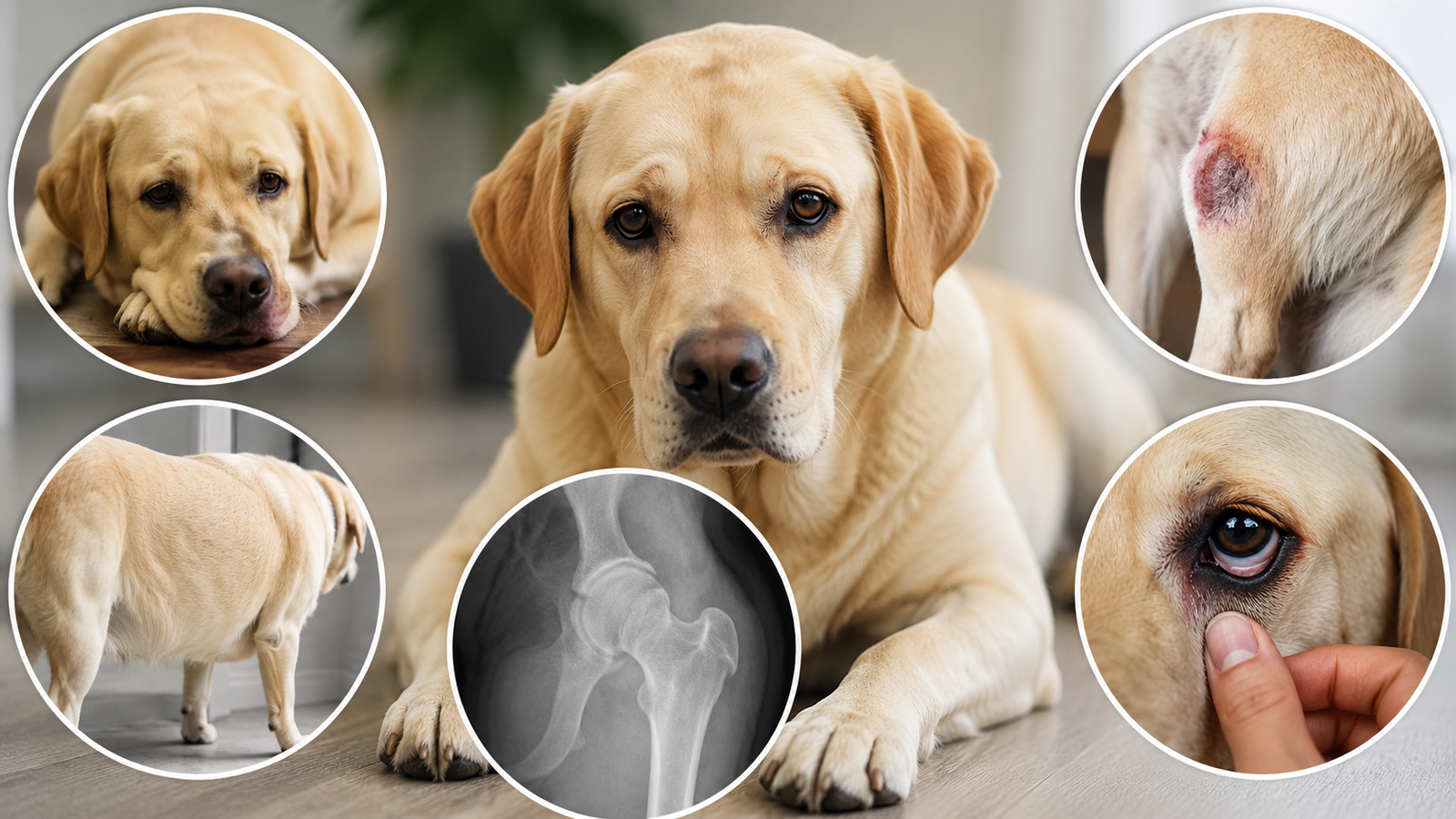
In a structurally sound Labrador, the head of the femur fits seamlessly into the pelvic socket (acetabulum), gliding smoothly on a dense cushion of cartilage. When a Lab suffers from hip dysplasia, the skeletal components grow at disparate rates during puppyhood. This creates an ill-fitting, loose joint connection.
As the dog moves, the loose bone surfaces grind against one another, physically shearing away protective cartilage and causing painful micro-fractures in the bone matrix. This cellular trauma rapidly accelerates into severe osteoarthritis.
Subtle Early Warning Signs
- The Bunny Hop: When galloping or running up the stairs, your Lab moves both of their hind legs together simultaneously instead of utilizing a fluid, alternating stride.
- Laxity Clicking: You hear a faint, metallic clicking sound coming from their hips when they walk across a quiet room.
- The Content Shift: When sitting down, your dog refuses to sit square on their haunches, consistently rolling their weight onto one hip to relieve structural pressure.
2. Exercise-Induced Collapse (EIC): The Hidden Neuromuscular Fault
Exercise-Induced Collapse is a terrifying genetic condition that can strike otherwise elite, highly athletic Labradors. A dog can look physically perfect until a burst of intense activity causes their entire nervous system to misfire.
The Genetic Trigger
EIC is tied to a specific autosomal recessive mutation affecting the dynamin 1 gene (DNM1). Dynamin 1 is a specialized protein responsible for sustaining neurotransmitter transmission during sustained, high-intensity exertion or intense emotional excitement.
When an EIC-affected Labrador exercises intensely for 5 to 15 minutes, their synaptic vesicles run dry. The brain can no longer communicate motor commands to the muscles, resulting in sudden, flaccid weakness.
The Critical Warning: EIC is frequently misdiagnosed as simple heat stroke. However, unlike heat stroke, dogs experiencing an EIC episode remain completely conscious, alert, and mentally present while their hind limbs fail completely.
Subtle Early Warning Signs
- The Wobble: After a period of intense retrieving or playing with other dogs, your Lab develops a loose, swaying, or uncoordinated gait in their hindquarters.
- Drifting Footwear: The dog starts dragging their hind toes, leaving visible scuff marks on the tops of their nails.
- Immediate Collapse: The hind legs collapse completely, forcing the dog to drag themselves forward using only their front limbs.
3. Gastric Dilatational-Volvulus (GDV): The Absolute Emergency
Commonly referred to as “Bloat,” Gastric Dilatational-Volvulus is the number-one rapid killer of large, deep-chested breeds like Labradors. It is a terrifying medical crisis where minutes dictate survival.
The Torsional Trap
GDV occurs when the stomach rapidly distends with trapped gas, fluid, or food (dilatational phase), and then physically rotates along its longitudinal axis (volvulus phase). This twisting instantly seals the entry and exit points of the stomach.
As the trapped organic matter ferments, the stomach swells like an over-inflated tire, compressing the caudal vena cava (the primary vein returning blood to the heart). This triggers immediate cardiovascular shock, localized tissue death, and a massive release of systemic toxins.
Subtle Early Warning Signs
- Unproductive Retching: Your Labrador repeatedly attempts to vomit every few minutes, but only manages to expel small drops of thick, foamy white saliva.
- The Tympanic Drum: The area directly behind their ribcage looks noticeably swollen and feels firm. When tapped gently with your fingers, it makes a hollow, drum-like sound.
- Relentless Pacing: The dog cannot get comfortable, continuously pacing, whining, and stretching out their front legs while keeping their rear up in a “play bow” position to relieve pressure.
4. Progressive Retinal Atrophy (PRA): The Creeping Blindness
Progressive Retinal Atrophy is a slow, painless, and completely irreversible hereditary disease that systematically destroys a Labrador’s vision.
Cellular Degeneration
The specific form affecting Labradors is Progressive Rod-Cone Degeneration (prcd-PRA). The rod cells (responsible for low-light and night vision) are the first to experience cellular apoptosis, or programmed cell death. Over a period of months or years, the cone cells (responsible for bright-light and color vision) follow suit, culminating in total blindness.
Subtle Early Warning Signs
- Night Blindness (Nyctalopia): Your Lab suddenly refuses to go out into the dark backyard at night, or bumps into doorways and furniture in dimly lit rooms.
- Increased Tapetal Reflectivity: When light hits your dog’s eyes at night, you notice an incredibly bright, unnatural green or golden sheen reflecting from their pupils.
- Cataract Formulation: The lenses of the eyes begin to take on a cloudy, milky, or opaque appearance as a secondary complication of retinal tissue breakdown.
5. Hereditary Nasal Parakeratosis (HNPK): The Chronic Crust
While less life-threatening than GDV or EIC, Hereditary Nasal Parakeratosis is a painful, disfiguring genetic skin defect that targets the most prominent feature of your Labrador: their nose.
The Keratinization Defect
HNPK is caused by a genetic mutation that disrupts the specialized cells responsible for producing and regulating keratin, the protective protein layer coating the nasal planum. Without proper cellular turnover, the nose dries out completely, cracking open and developing deep, painful fissures.
Subtle Early Warning Signs
- The Frill Rim: The top edge of your Labrador’s nose begins developing a rough, frilled, or continuous fringe of hard, horn-like skin buildup.
- Chronic Cracking: The leather of the nose splits open, oozing clear fluid or small amounts of blood, particularly during dry winter months.
- Color Fading: The dark black or chocolate pigment of the nose starts sloughing off, leaving behind raw, pink patches that are highly sensitive to sunburn.
Technical Prevention: Protocol Timeline
To stay ahead of these five genetic threats, establish a disciplined medical defense schedule throughout your Labrador’s life:
1.The Blueprint DNA Screening:Age: 8-12 Weeks.
Before your puppy’s growth plates fuse, run a comprehensive canine DNA panel (such as Wisdom Panel or Embark). This will instantly confirm if your Labrador carries the genetic mutations for EIC, prcd-PRA, or HNPK, allowing you to tailor their lifestyle before clinical symptoms manifest.
2.Radiographic Orthopedic Certification:Age: 12-24 Months.
Once your Lab approaches physical maturity, schedule digital X-rays to clear their hips and elbows. Submit these scans to the Orthopedic Foundation for Animals (OFA) or PennHIP to evaluate their exact joint laxity score and implement corrective supplement plans if needed.
3.Strict Lifestyle and Dietary Controls:Lifelong Protocol.
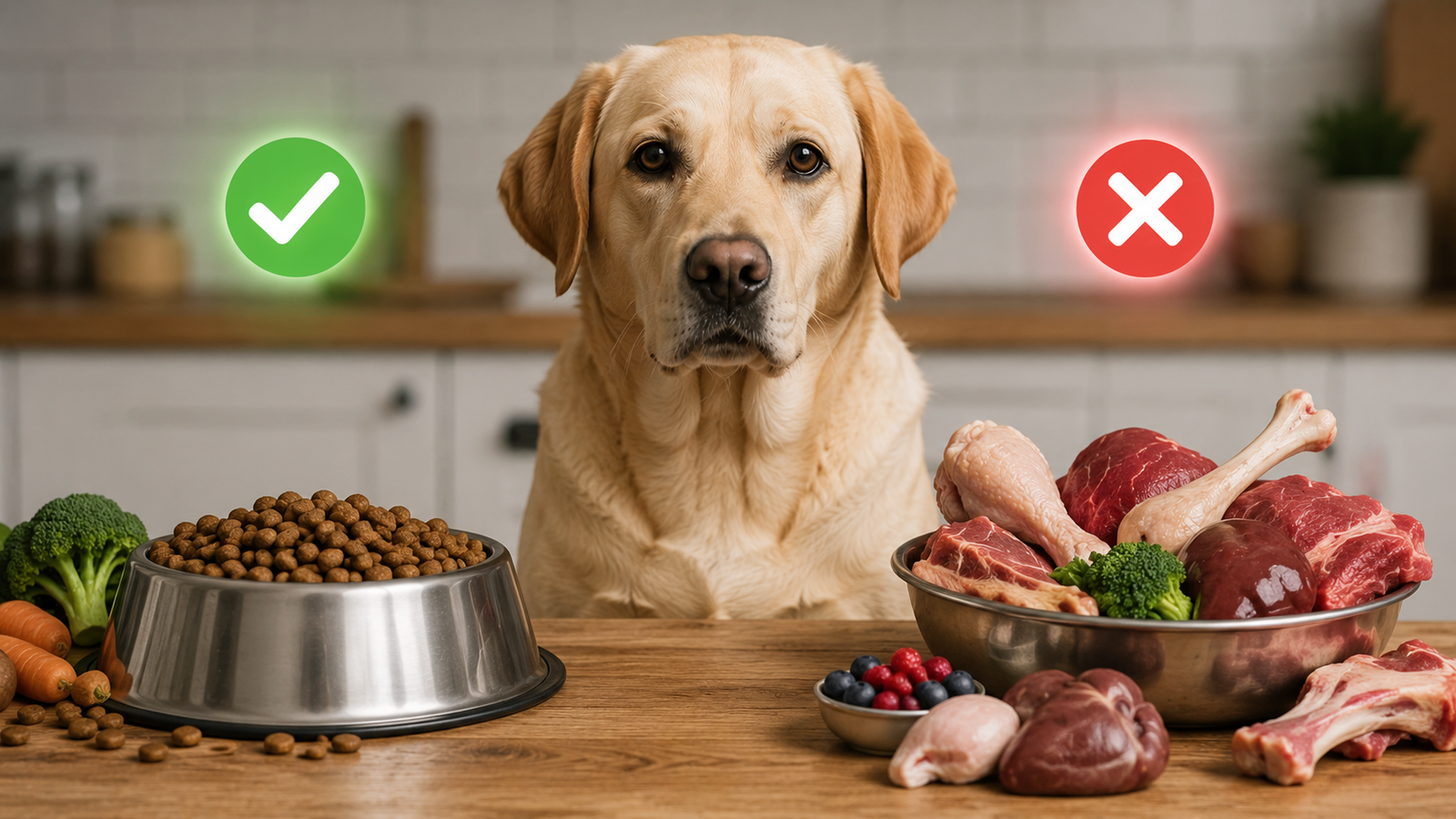
Mitigate the risk of GDV and joint degradation by maintaining your Lab at an optimal Body Condition Score (BCS) of 4 or 5 out of 9. Utilize slow-feeder bowls, enforce a strict one-hour rest period after eating, and avoid high-impact pavement running.
Frequently Asked Questions (FAQ)
Can a Labrador clear of EIC still experience exercise collapse?
If a Labrador has been genetically tested and is cleared of the DNM1 mutation, they cannot develop Exercise-Induced Collapse. However, they can still collapse from other separate medical emergencies, such as heat stroke, cardiac arrhythmias, or low blood sugar (hypoglycemia).
How can I stop my Labrador from eating too fast to prevent bloat (GDV)?
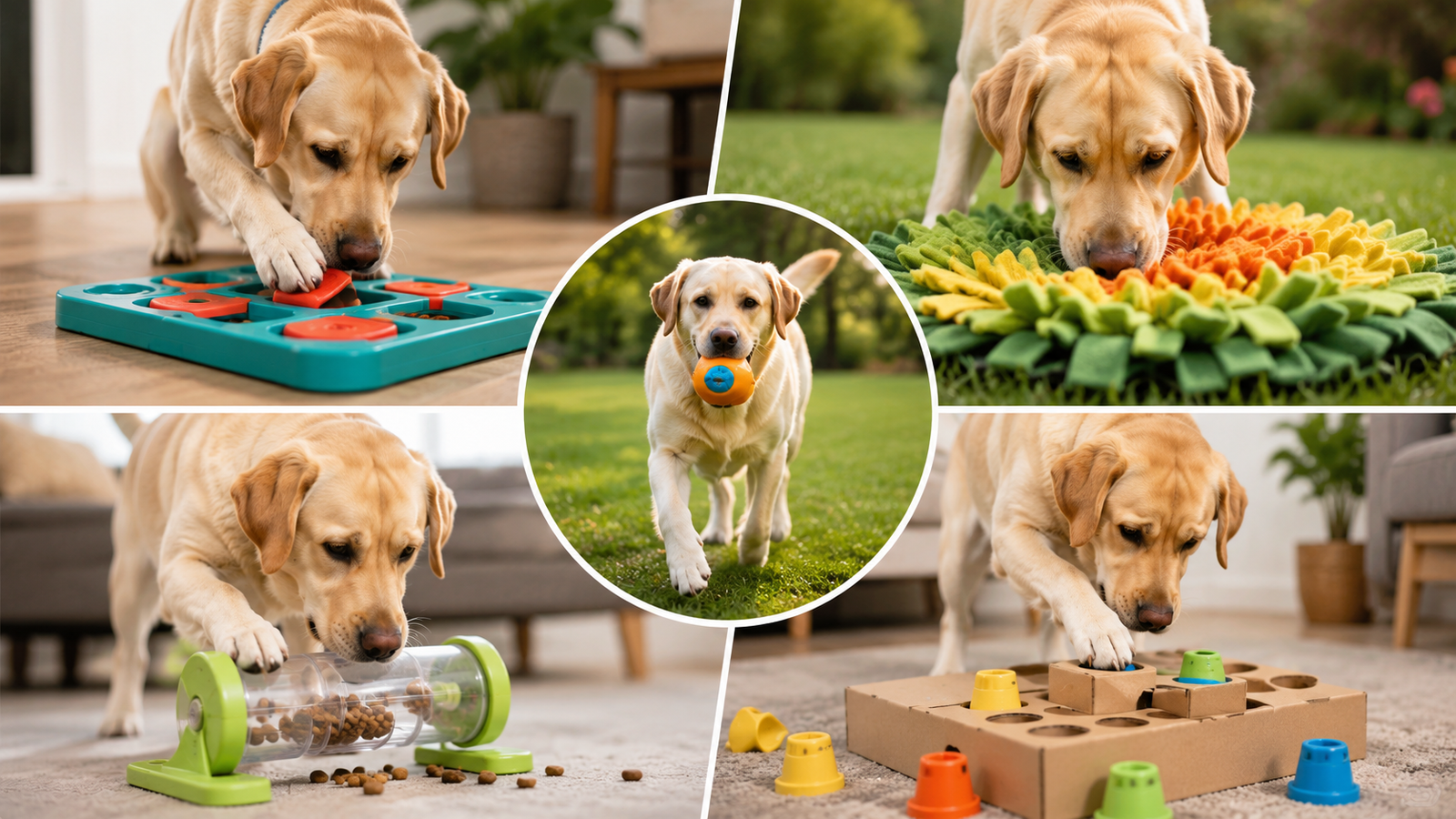
To completely eliminate rapid gulping, replace traditional open dog bowls with complex plastic maze bowls, or feed their meals inside heavy rubber puzzle toys. Additionally, avoid placing food bowls on elevated stands unless specifically directed by a vet, as studies show elevated feeding can actually increase the amount of air a dog swallows.
Is there a cure for Progressive Retinal Atrophy (PRA) in Labradors?
Currently, there is no medical cure or surgical treatment that can reverse or halt the progression of PRA. However, because the disease moves slowly and is entirely painless, blind Labradors adapt incredibly well. By maintaining a consistent furniture layout at home and using scent cues, a blind Lab can continue to live a long, joyful life.
Conclusion: Awareness is Your Best Friend’s Armor
Owning a Labrador Retriever means embracing their incredible zest for life—but it also means acting as their primary medical guardian. Conditions like dysplasia, EIC, and bloat do not have to be a tragic end to your dog’s story. By running early DNA panels, recognizing the very first signs of structural or behavioral shifting, and executing proper dietary pacing, you can successfully bypass or manage these common genetic hurdles.
Have you noticed your Labrador exhibiting a strange gait, occasional coughing, or an unusual shift in their daily energy levels? Share your dog’s age and the specific symptoms you are seeing below, and we can look into what clinical indicators your vet might look for during their next checkup!