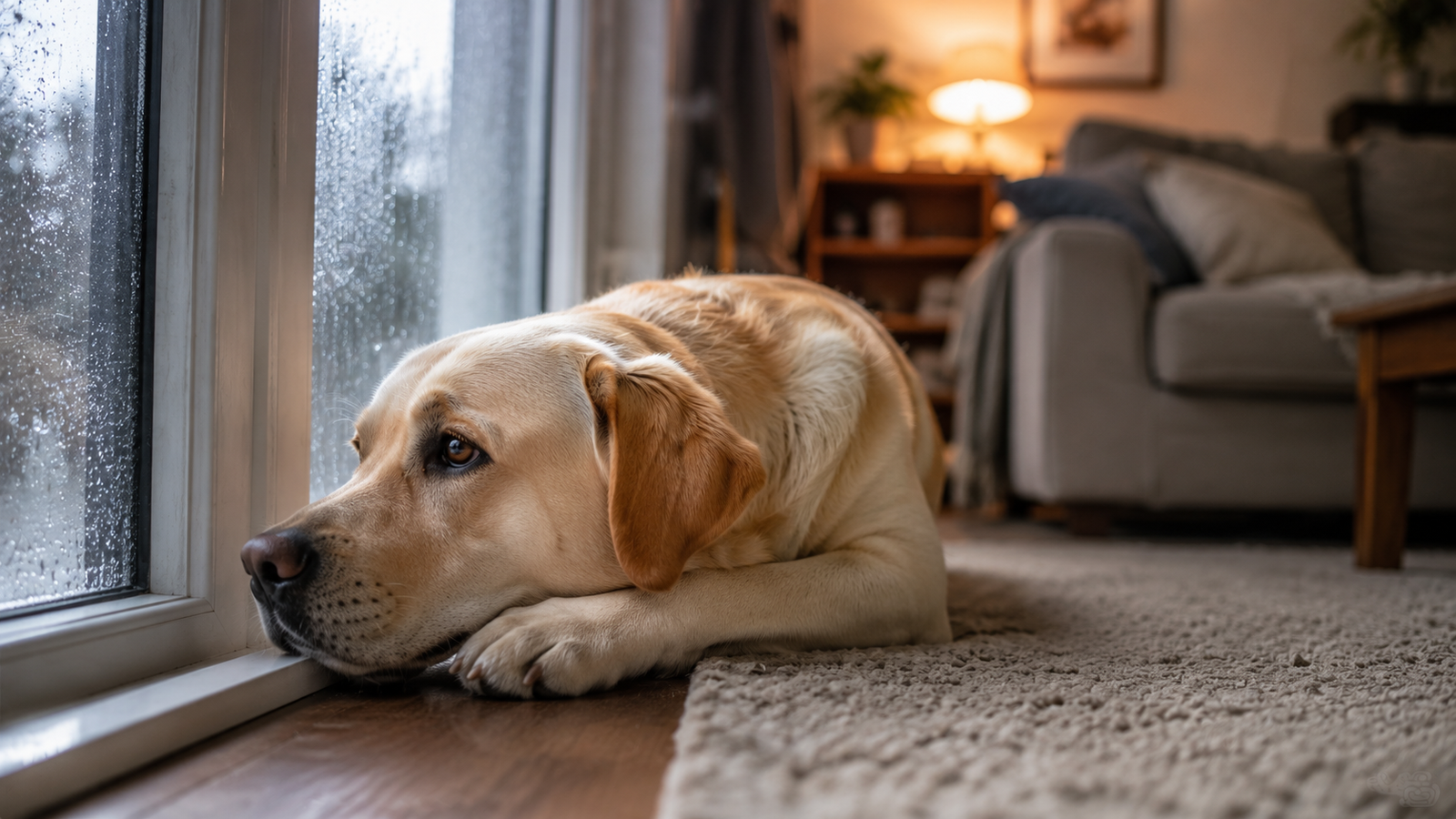
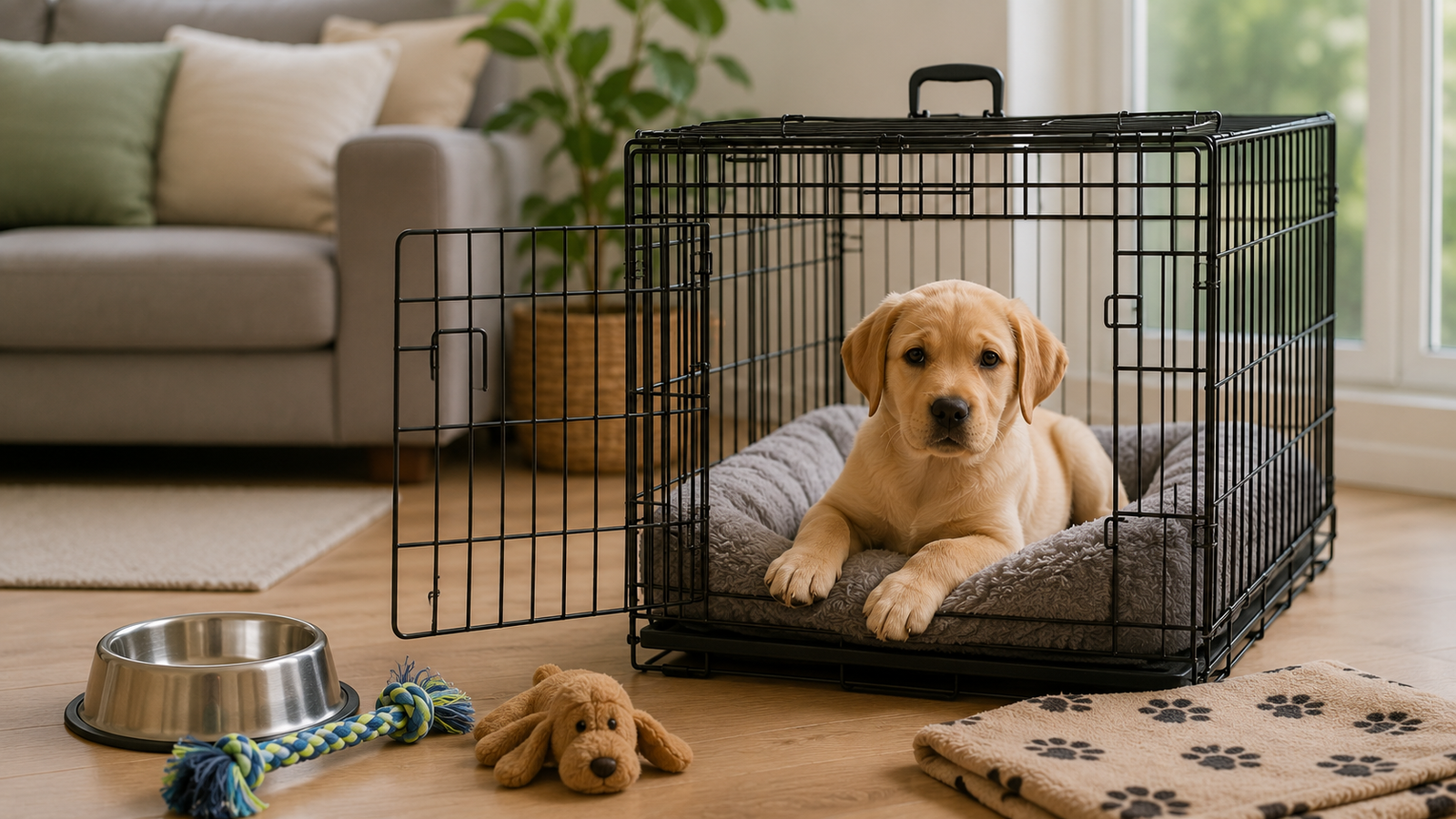
It is 2:00 AM. You are standing in your dark kitchen, listening to a symphony of high-pitched whines, frantic barks, and desperate scratches coming from your new Labrador’s training crate. Your heart sinks. You feel a profound wave of guilt, mixed with a deep, bone-weary exhaustion. You wonder if you are accidentally traumatizing your new best friend, or if they simply hate their crate.
Every Labrador owner has stood in those exact slippers. We want our dogs to feel completely safe, loved, and free. When we introduce a metal or plastic crate, it can initially feel like we are confining an animal born to run.
But here is the real truth: when done correctly, a crate is not a prison; it is a bedroom.
Labradors are highly social, active working dogs. Without a dedicated “safe space” to turn off their high-stimulus environment, they can easily become chronically overtired, destructive, and anxious.
This definitive, veterinary-verified blueprint takes the guesswork out of the process. You will learn the science behind your dog’s ancestral den instincts, discover a step-by-step routine that stops the crying, and unlock a stress-free framework for crate training a Labrador from day one.
The Biological Truth: Harnessing the Canine “Den Instinct”
To build a successful training routine, you must first reframe how you look at the crate. Domestic dogs are evolutionary den animals. In the wild, canines actively seek out small, dark, enclosed spaces beneath rock formations or fallen trees to rest, digest, and shelter from predators.
When you leave a young Labrador puppy out to roam a vast, open-concept living room entirely alone, you are not giving them freedom. Instead, you are inadvertently forcing them to guard a massive piece of territory. This sensory overload can trigger overarousal, frantic chewing, and housebreaking accidents.
A correctly introduced crate appeals directly to their natural den instinct. It shrinks their world down to a safe, manageable footprint, giving them the psychological permission they need to relax, lower their cortisol levels, and sleep soundly.
Selecting the Right Equipment: The Labrador Sizing Standard
Labradors grow remarkably fast. A fuzzy, eight-pound bundle can transform into a muscular, seventy-pound adult in less than a year. To avoid buying multiple crates, you must select an adult-sized model equipped with an internal divider panel.
- The Size Standard: For the vast majority of standard adult Labrador Retrievers, a 42-inch wire crate is the gold standard.
- The Golden Sizing Rule: At any given stage of development, your Labrador must have just enough space to stand up completely straight without crouching, turn around in a full circle smoothly, and stretch out flat on their side.
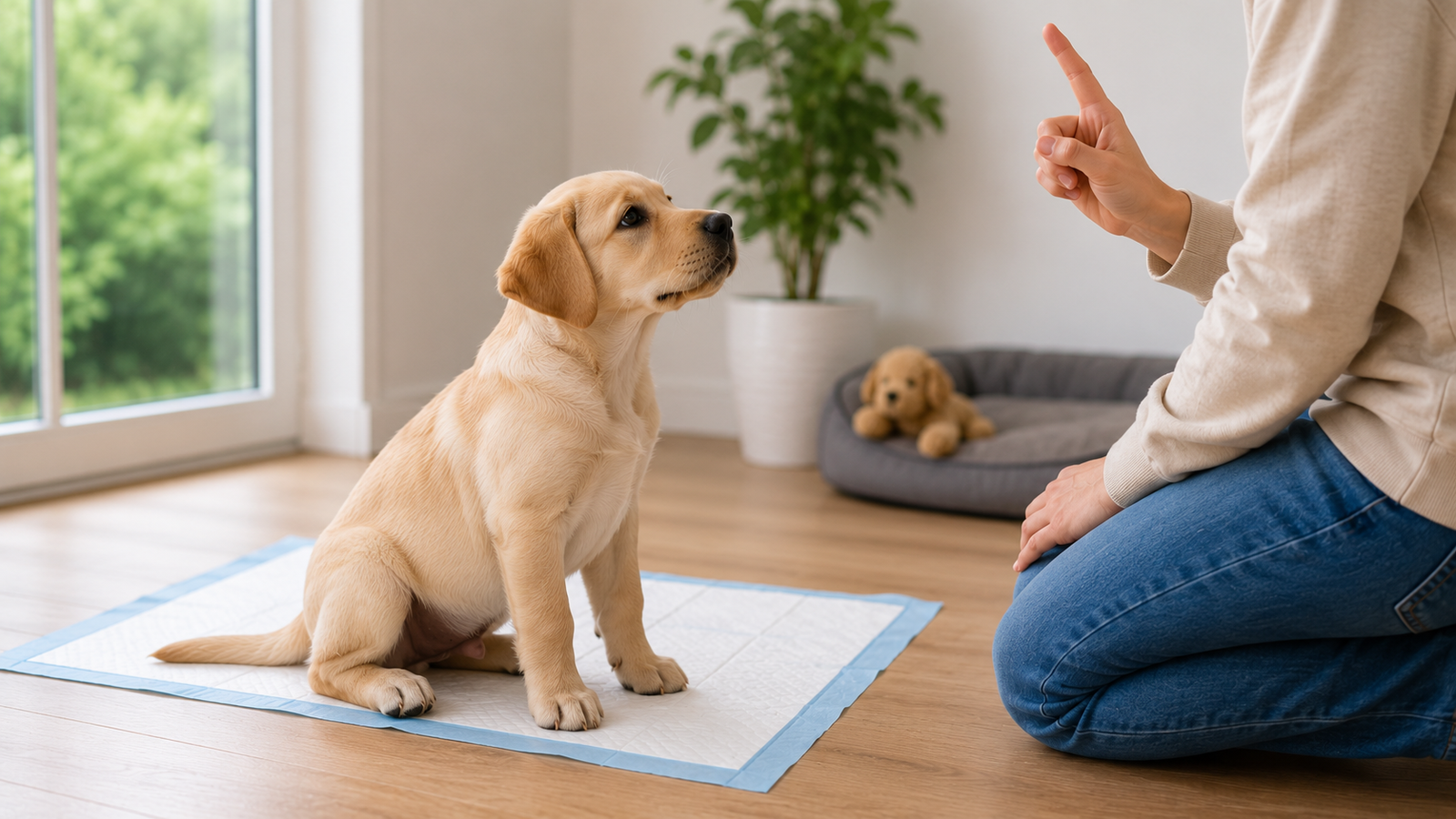
- The Hidden Danger of Excess Space: If you place a small puppy into a full-sized 42-inch crate without using a divider panel, they will utilize one corner as a cozy bedroom and the opposite corner as a personal bathroom. This completely breaks down their natural aversion to nesting in their own waste, stalling your housebreaking progress. Use the divider panel to adjust the floor space outward as your puppy grows.
Crate Training a Labrador: The 5-Step Stress-Free Blueprint
This structured, positive-reinforcement routine ensures your Labrador builds a deep, happy association with their new den before you ever latch the door closed.
The Featured Snippet Answer: To crate train a Labrador without stress, you must build positive associations using a step-by-step approach. Start by feeding all their meals inside the crate with the door wide open. Next, transition to giving them high-value, long-lasting stuffed puzzle toys (like a frozen peanut-butter Kong) inside the crate, closing the door briefly only while they are actively chewing. Gradually increase the duration by remaining in the room before systematically scaling up your departure times.
Step 1: The Open-House Discovery Phase
Never pick up your Labrador and physically force them into a crate. This creates an immediate negative imprint associated with confinement and restriction.
- The Process: Place the crate in a high-traffic area of your home, like the living room or kitchen, and pin the door completely wide open.
- The Strategy: Drop a trail of high-value, aromatic treats (like freeze-dried beef liver or roasted chicken bits) leading up to the entrance, with a jackpot prize placed at the very back of the den. Let your Labrador discover the treats completely at their own pace. If they step inside to eat a treat and immediately bolt back out, do not stop them. You want them to learn that the crate is a magical place where rewards appear naturally out of thin air.
Step 2: Bowl-in-the-Box Feeding Mechanics
Once your Labrador is comfortably stepping into the crate to grab treats, transition all of their daily nutritional intake into their new bedroom.
- The Process: Place their food bowl at the very back of the crate.
- The Strategy: While they are enthusiastically eating their meal, leave the door completely open. By pairing the intense pleasure of eating with the physical space of the crate, you are conditioning their brain to associate the enclosure with comfort and survival resources. Repeat this step for three consecutive days until they run directly into the crate the moment they hear their food bowl rattle.
Step 3: The Latch-and-Munch Progression
Now it is time to introduce the actual physical boundary of a closed door, using a long-lasting distraction to manage their focus.
- The Process: Stuff a durable rubber Kong toy with wet food, plain Greek yogurt, or dog-safe peanut butter, and freeze it overnight.
- The Strategy: Guide your Labrador into the crate and hand them the frozen toy. While they are actively licking, gently close the crate door and loop the latch.
- The Timing: Stand right next to the crate where they can see you. The absolute moment they finish their toy, unlock the latch and let them out calmly. This teaches them that the closed door is a temporary boundary that only exists while they enjoy a high-value treat.
Step 4: Systematically Scaling Distance and Duration
Once your Labrador can tolerate a closed door while enjoying a treat, you can begin expanding your physical distance from the enclosure.
- The Protocol: Put your Lab in the crate with a chew toy, close the door, and take three steps backward. Sit on the couch for two minutes, then return and let them out.
- The Graduation: Slowly increase this window. Step out of the room into the hallway for five minutes, then ten minutes, then twenty minutes.
- The Golden Rule: Always return to the room and release your dog before they experience a wave of panic or distress. You want them to build an absolute belief that you will always return.
Step 5: Establishing the Silent Release Rule
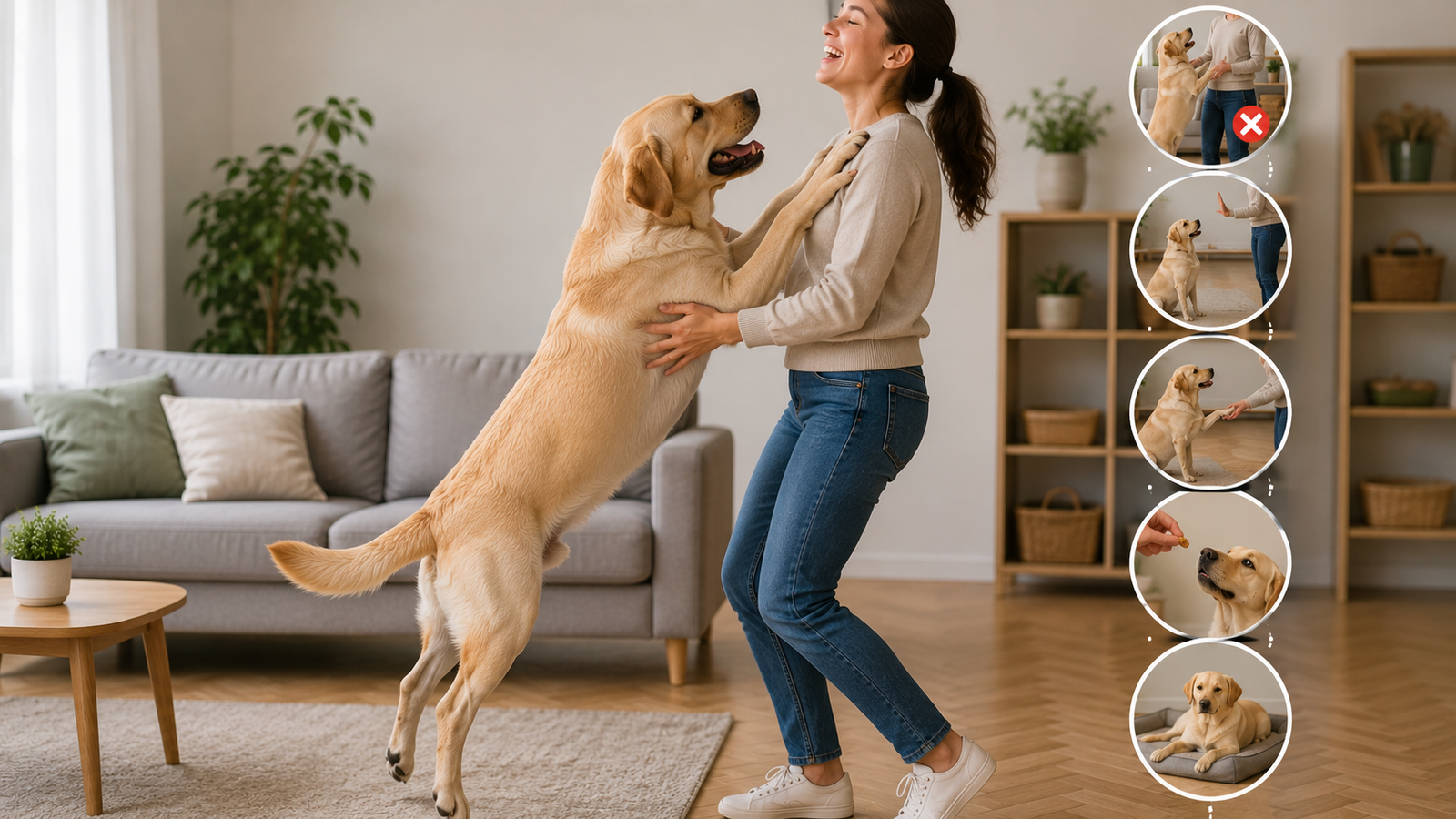
How you open the crate door dictates your dog’s future behavior. If you open the door while your Labrador is whining, barking, or frantically scratching, you are inadvertently teaching them a dangerous lesson: Your screaming acts as a master key that unlocks the door.
- The Strategy: Never release an excited, vocalizing dog from confinement. If your Labrador is whining, cross your arms, turn your back to the crate, and ignore them completely.
- The Release: The exact millisecond they stop making noise and sit down or lie down quietly, instantly turn around, mark that calm behavior with a soft word, and open the door. This teaches them that calmness is the only currency that opens the gate.
The Age-Based Confinement Guideline
To ensure you never push your Labrador past their physiological development limits, adhere to this standard daytime confinement framework:
| Age of Labrador | Maximum Safe Daytime Crate Duration | Recommended Daily Use Cases |
| 8 to 10 Weeks | 30 to 60 Minutes | Enforced daytime naps, housebreaking intervals. |
| 11 to 14 Weeks | 1 to 3 Hours | Short errands, focused independent rest time. |
| 15 to 22 Weeks | 3 to 4 Hours | Mid-day work breaks, structured isolation practice. |
| 6 Months + | 4 to 6 Hours | Maximum daytime limit; requires a mid-day exercise break. |
3 Critical Mistakes That Can Ruin Crate Training
If your housebreaking progress feels stuck or your dog’s crying is intensifying, check your environment for these three common missteps:
1. Using the Crate as an Outlet for Punishment
Never scream at your Labrador and banish them to their crate because they chewed a shoe or had an accident on the carpet. If you use the crate as an emotional penalty box, you will instantly destroy its identity as a safe haven. The crate must remain an entirely neutral, positive, and stress-free environment.
2. Letting Them Out While They Are Screaming
We understand how difficult it is to listen to your puppy cry at night. However, if you open that door during a major barking fit, you reinforce that behavior. If they are crying because they genuinely need to go to the bathroom in the middle of the night, wait for a brief 3-second window of absolute silence. Step in during that quiet pause, clip on their leash, and carry them directly to their outdoor potty spot for a boring, business-only bathroom trip.
3. Ignoring Physical and Mental Understimulation
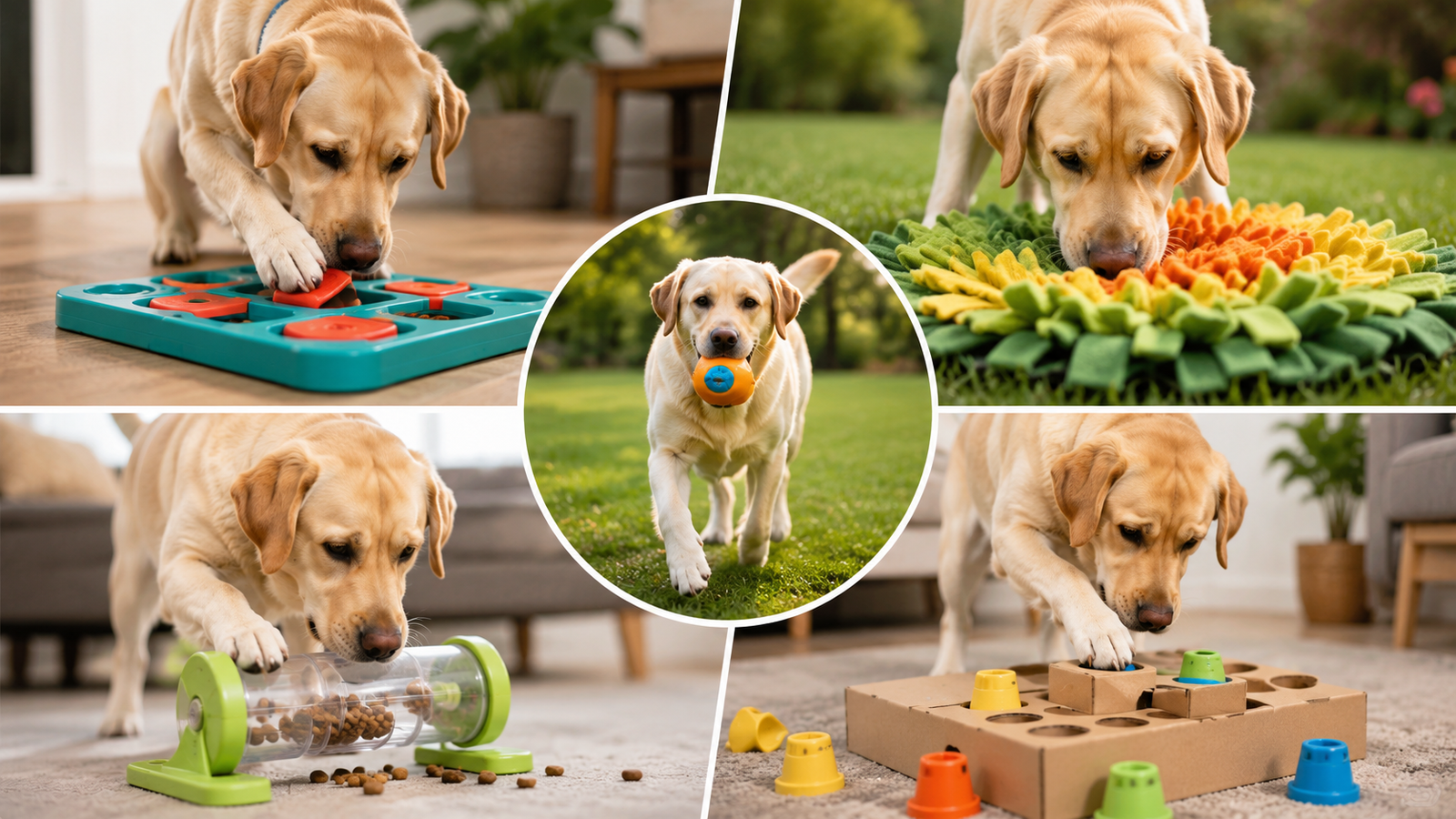
A crate is a tool for rest, not a substitute for proper exercise. Labradors are energetic sporting dogs. If you attempt to crate an adolescent Lab who has been locked inside all day without physical exercise or mental stimulation, they will develop intense anxiety, boredom, and distress. Ensure your dog receives a solid walk, a game of fetch, or a mental sniffing session before they enter the crate for an extended rest period.
Frequently Asked Questions (FAQ)
What should I put inside my Labrador’s crate to keep them comfortable?
For young puppies, less is more. Avoid putting plush, fiber-filled dog beds or expensive blankets inside the crate, as bored or teething Labradors can easily chew them apart and swallow the stuffing, creating a life-threatening intestinal obstruction. Stick to plain, durable rubber toys (like a Kong) and durable, chew-proof crate mats until your Labrador is fully mature and past their destructive chewing phases.
My Labrador puppy whines for the first 10 minutes every single night. Is this normal?
Yes, minor transitional whining is completely normal. Just like a human toddler protesting bedtime, a young puppy will often whine for 5 to 15 minutes as their brain winds down from a busy day. As long as the whining is a soft, protesting whimper rather than a full-blown panic attack (drooling, heavy panting, frantic biting at the bars), ignore the noise and let them self-soothe. They will typically fall asleep quickly.
Where is the best place in the house to locate my dog’s training crate?
During the daytime, place the crate in a central living area (like a family room) so your Labrador doesn’t feel isolated from their pack. At night, it is highly recommended to move the crate directly into your bedroom, or right outside your bedroom door. Labradors are companion animals; being able to hear your breathing and smelling your presence nearby dramatically lowers their nighttime anxiety and helps them sleep peacefully through the night.
Conclusion: The Ultimate Safe Haven
Crate training your Labrador is an incredible investment in their lifelong safety, health, and peace of mind. It isn’t about restricting their world; it is about building a personal retreat where they can truly relax and reset. By staying consistent, moving at your dog’s pace, and ensuring every milestone is paired with rewards, you will easily transition your Lab from a late-night whiner into a confident companion who loves their personal space. Stay patient, keep your training sessions positive, and look forward to the rewarding years ahead with your well-adjusted friend!
Where do you currently have your Labrador’s crate set up, and what high-value treat works best to get them inside? Share your tips or ask a question in the comments below!