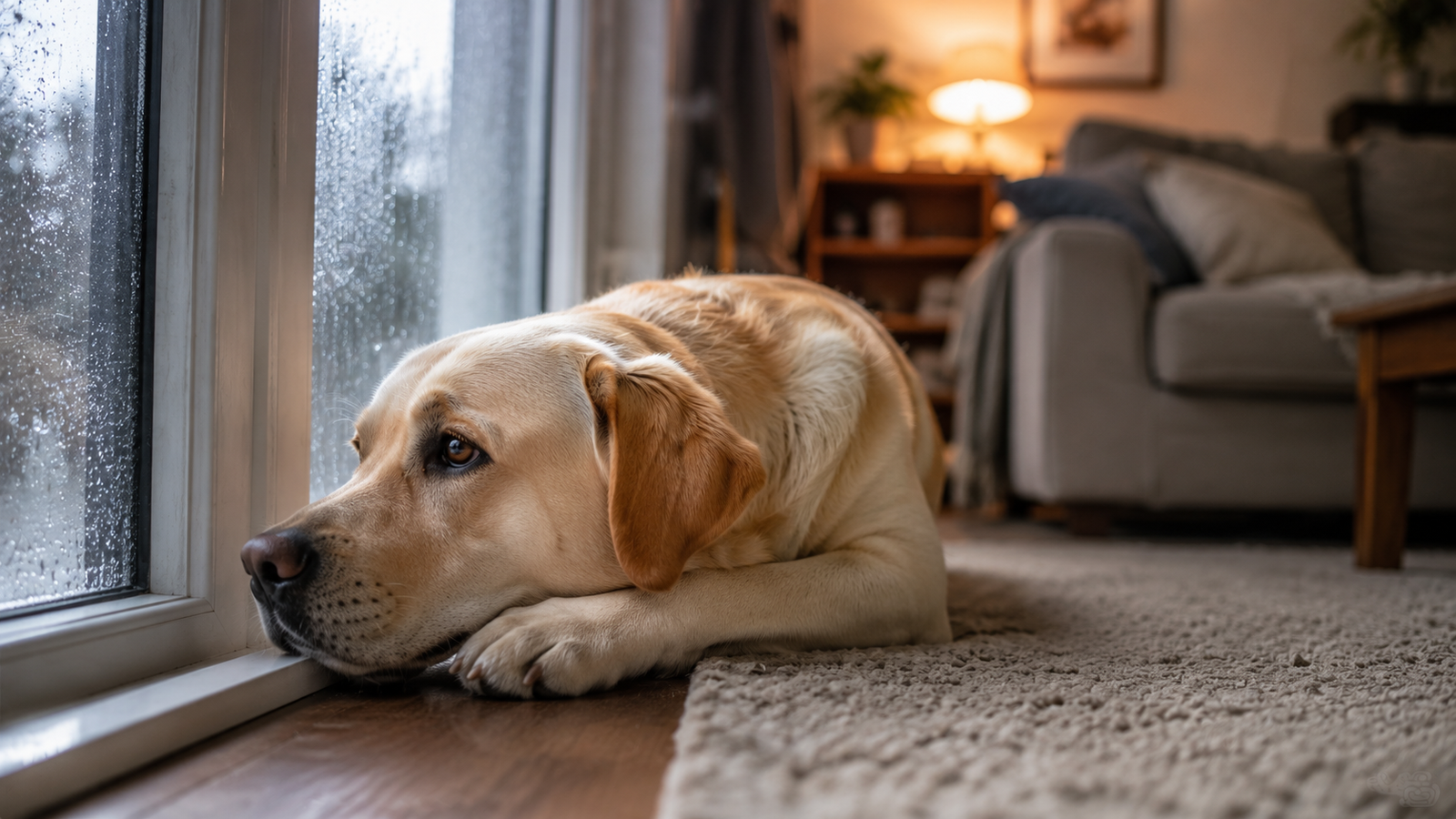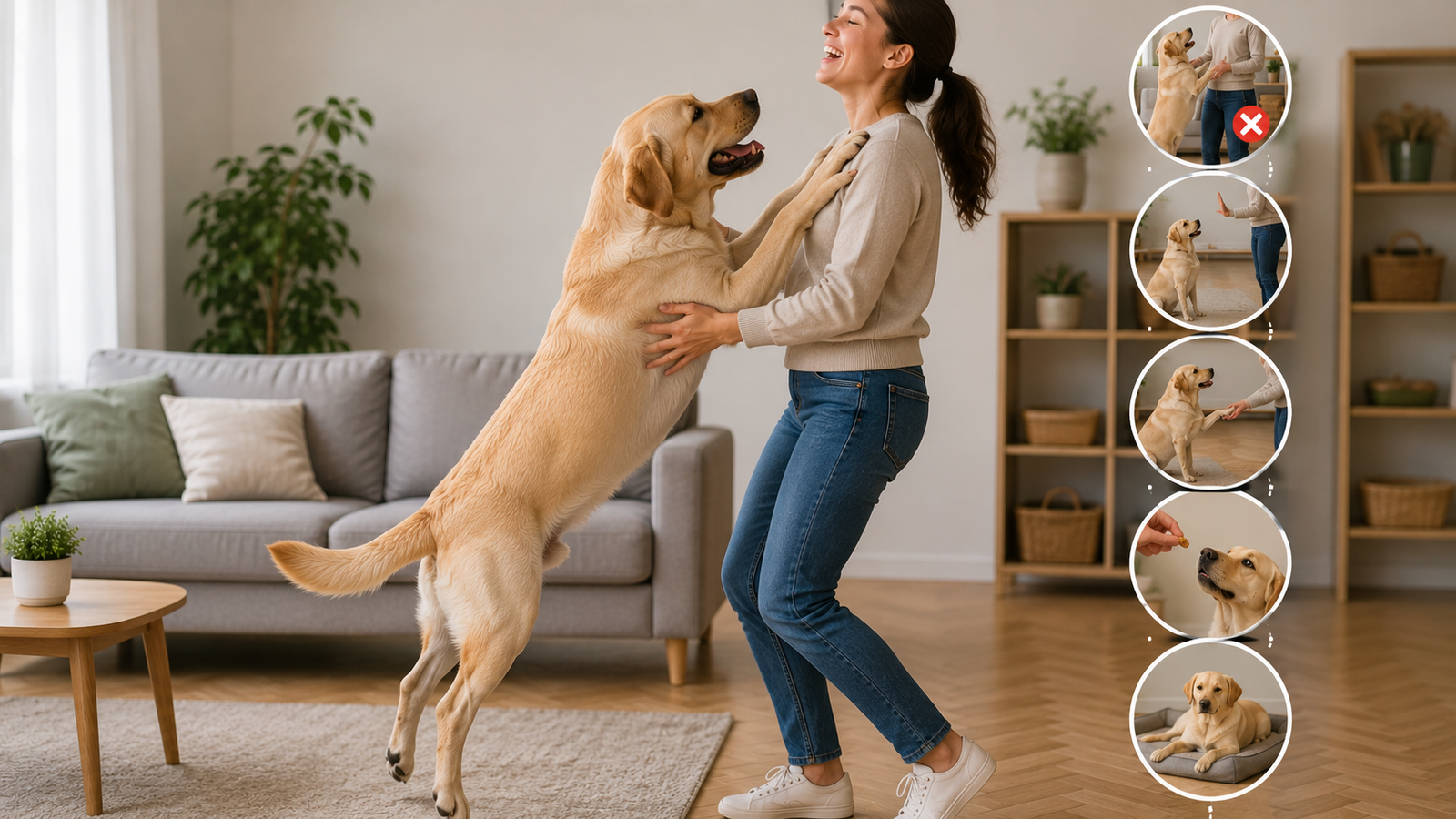
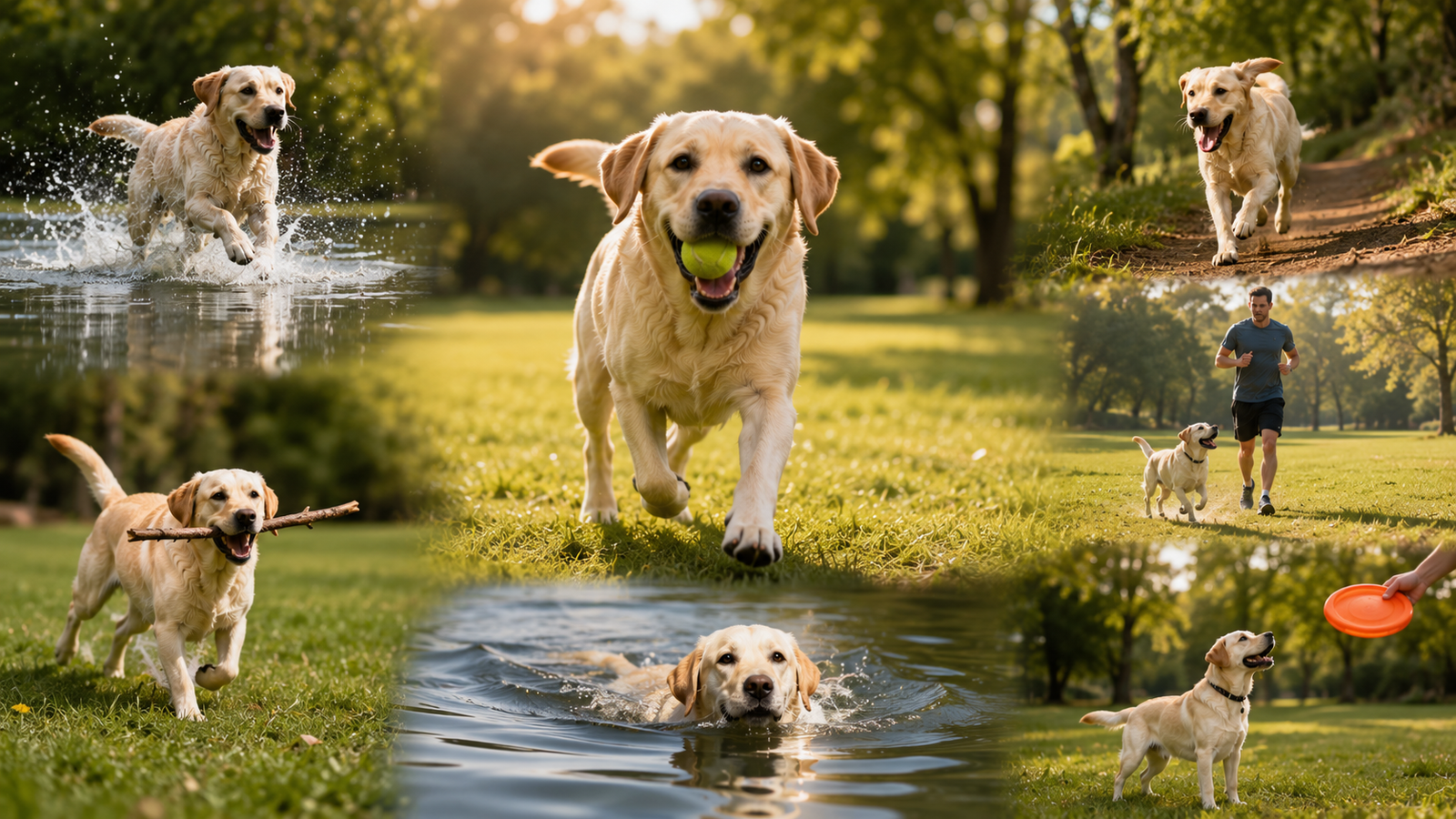
You know the feeling all too well. You get home after a long, exhausting day at work, looking forward to nothing more than a quiet evening. Instead, you are greeted at the door by a bouncing, wide-eyed Labrador Retriever holding a shredded shoe in their mouth, practically vibrating with pent-up energy.
You take them for a quick 15-minute walk around the block, hoping it will settle them down. But the moment you walk back inside, they launch into a full-speed lap around your living room—the notorious “zoomies.”
It’s easy to look at a hyperactive Lab and assume they need to run miles upon miles every day to tire out. But if you try to exhaust a Labrador through raw, physical stamina alone, you will quickly discover a frustrating truth: you aren’t tiring them out. You are simply training a high-end canine marathon runner with a seemingly infinite gas tank.
So, how much daily exercise does a Labrador Retriever really need to stay calm, focused, and healthy?
The short, definitive answer for a healthy adult Labrador Retriever is 60 to 80 minutes of total daily exercise. Crucially, this must be a deliberate, balanced mix of steady physical movement and focused mental stimulation.
In this comprehensive, vet-approved guide, we will break down the exact mathematical exercise formulas by age, explore the critical energetic differences between English and American lines, and map out a safe workout strategy to keep your Lab calm and well-behaved.
English vs. American: The Genetic Energy Split
Before looking at specific schedules, you have to identify the specific genetic lineage of your Labrador. The breed is divided into two highly distinct varieties, and their baseline exercise needs are entirely different:
The English Labrador (Show-Line)
Bred primarily for confirmation shows, structural balance, and a steady temperament. These dogs feature blockier heads, broader chests, and shorter legs. While they are still highly active dogs, English Labs possess a lower, more manageable baseline energy level. They are generally content with a couple of daily brisk walks paired with some light backyard play.
The American Labrador (Field-Line)
Bred for working performance, hunting trials, and endless fieldwork. They are sleeker, taller, and more athletic. American Labs possess a fierce, instinctual working drive and an incredibly high metabolic engine. If an American Lab does not receive rigorous daily physical outlets and complex mental puzzles, they will almost always redirect that intense drive into destructive household chewing or nuisance barking.
The Labrador Exercise Timeline: From Puppyhood to Senior Years
One of the most dangerous mistakes an owner can make is treating a growing puppy like an adult dog. Pushing a young Labrador too hard too early can cause permanent, irreversible damage to their growth plates, paving the way for early-onset hip and elbow dysplasia.
To protect their skeletal development, utilize this targeted age framework:
1. Labrador Puppies (Under 12 Months)
A puppy’s bones are soft and continuously developing. To determine a safe physical boundary, implement the 5-Minute Rule:
The 5-Minute Puppy Rule: Provide 5 minutes of structured, leashed walking per month of age, up to twice a day.
- 3 Months Old: 15 minutes of structured walking, twice daily.
- 6 Months Old: 30 minutes of structured walking, twice daily.
Avoid high-impact, repetitive physical stressors—such as jogging on concrete, catching high-flying frisbees, or jumping in and out of tall vehicles—until their growth plates completely fuse at roughly 12 to 14 months of age.
2. Adult Labradors (1 to 7 Years)
Once your Labrador reaches physical maturity, their exercise needs peak. A balanced 60-to-80-minute routine should be split logically into distinct categories:
| Exercise Type | Recommended Duration | Ideal Activities |
| Aerobic Movement | 30 – 40 Minutes | Off-leash hiking, swimming, long-line walking. |
| High-Intensity Cardio | 15 – 20 Minutes | Controlled fetch, structured agility training. |
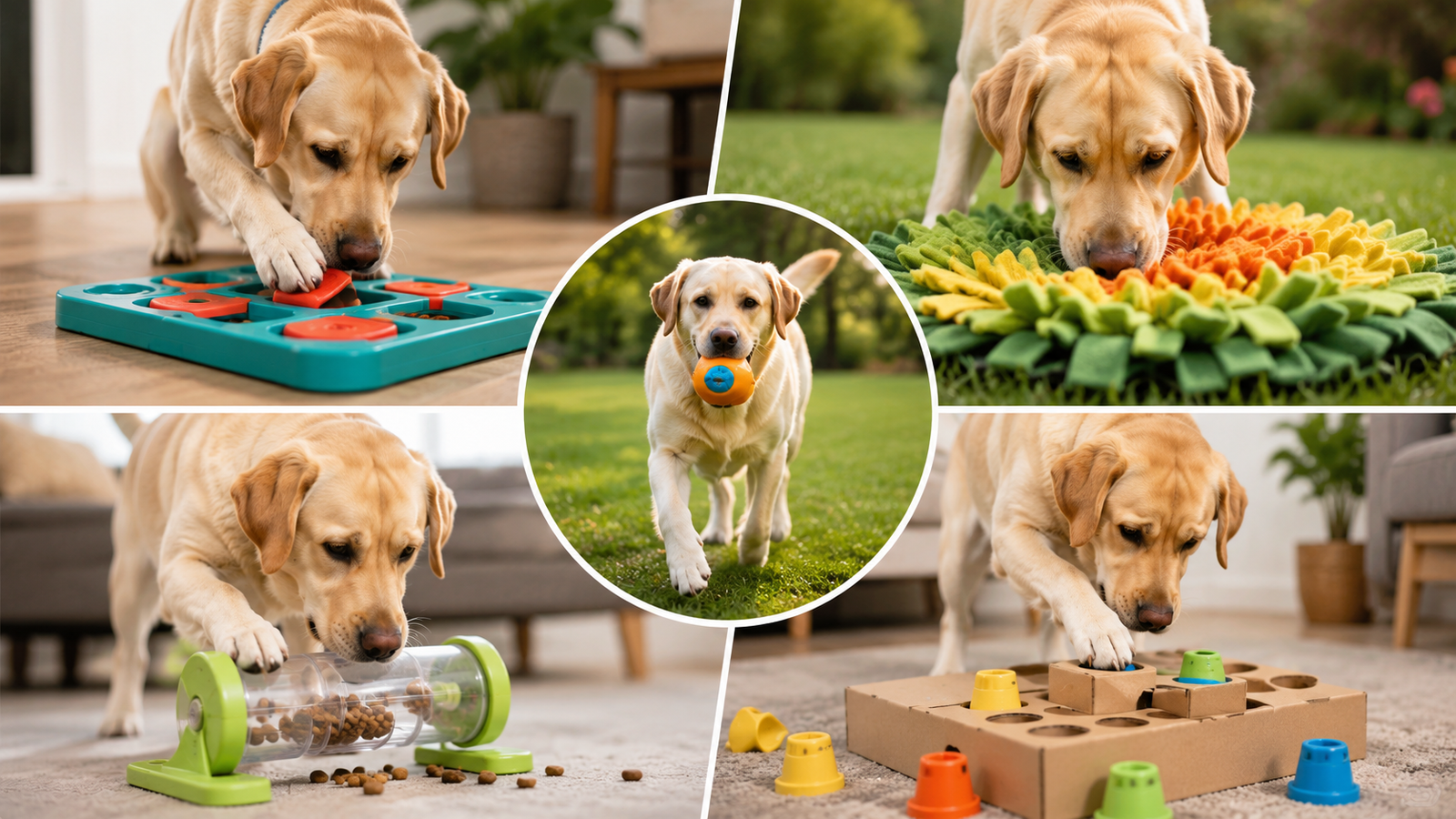
| Mental Stimulation | 15 – 20 Minutes | Scent work, tracking games, advanced obedience. |
3. Senior Labradors (8+ Years)
As your companion ages, arthritis and general joint stiffness naturally set in. However, stopping exercise altogether will accelerate muscle loss and lead to weight gain—the ultimate enemy of senior joints.
Shift their routine toward low-impact, steady-state movement. Two shorter, gentle 20-minute walks on soft grass or dirt paths are exponentially better for an aging Lab than one long, strenuous 40-minute walk on hard asphalt.
The Secret Weapon: Mental Stimulation vs. Raw Physical Labor
If you take your adult Labrador to a field and throw a tennis ball continuously for an hour, you are only working their muscles while keeping their brain in a hyper-aroused, adrenaline-fueled state. This often results in a dog that is physically exhausted but mentally wired and restless at home.
To achieve a truly calm, relaxed dog, you must treat mental exercise as an absolute priority. Mental enrichment activates the canine brain’s problem-solving pathways, causing a deeper, more peaceful state of exhaustion than raw running can ever achieve.
Implement this specific cross-training routine to optimize your Lab’s daily output:
1.The Sniffari Warmup:Duration: 15-20 Minutes.
Begin your daily outing on a long tracking leash (15 to 20 feet). Allow your Labrador to lead the way at a gentle pace, letting them stop and sniff whatever they want. A dog’s olfactory system processes scents using an immense portion of their brain. Allowing them to sniff complex outdoor scents is the human equivalent of reading a dense textbook—it drains their mental battery rapidly.
2.Controlled Physical Play:Duration: 15-20 Minutes.
Transition to a game of fetch or structural retrieval play. To protect their joints from sudden, twisting stops, wait until the tennis ball or bumper completely stops rolling before releasing your Lab to retrieve it. Better yet, introduce swimming: an exceptional, zero-impact cardiovascular exercise that builds lean muscle without placing a single ounce of stress on their hips and elbows.
3.The Cognitive Scent Down:Duration: 15-20 Minutes.
Conclude the session with a focused brain game. Hide a handful of high-value treats or their favorite toy in tall grass or brush, and give them a command to “Find it!” Forcing them to systematically use their nose to track down hidden items channels their instinctual retrieval drive into a calm, focused, and deeply satisfying finale.
Frequently Asked Questions (FAQ)
What are the signs that my Labrador is not getting enough exercise?
The most prominent red flags are behavioral: destructive chewing on walls or furniture, digging massive holes in the yard, pacing restlessly around the house, whining for attention, and displaying a total lack of impulse control during standard training routines.
Can a Labrador be an apartment dog if they get enough exercise?
Yes. Labradors can thrive in an apartment setting, provided their owner is fully committed to meeting their daily 60-to-80-minute outdoor exercise requirements. A dog’s indoor behavior is a direct reflection of their outdoor fulfillment; an exercised Lab will happily spend the rest of their day sleeping peacefully on the couch, regardless of square footage.
Is it safe to take my Labrador running or jogging with me?
It is safe only after your Labrador has reached full skeletal maturity (typically 12 to 14 months old). Before this age, the repetitive impact of jogging on hard surfaces can cause severe joint damage. Once they are fully cleared by a veterinarian, start slowly, build up their stamina gradually, and stick to dirt or gravel trails whenever possible to minimize joint strain.
Conclusion: Consistency Creates a Balanced Family Member
Determining how much daily exercise your Labrador Retriever needs is not just about counting steps or hitting a time limit—it is about honoring their rich heritage as a highly capable working breed. By balancing physical cardio with rich sensory exploration and structural brain games, you can easily prevent behavioral problems before they start.
Invest the time into fulfilling your Labrador’s natural athletic needs every day, and your reward will be a blissfully quiet household and a loyal, gentle companion who is always ready to relax by your side.
What is your Labrador’s current favorite way to burn off energy? Share your typical daily exercise routines below, and we can look at specific ways to integrate more mental stimulation into your schedule!