
You step outside your front door, lock the deadbolt, and walk toward your car. But before you even clear the driveway, the sound begins. It starts as a low, mournful howl, quickly escalating into a frantic symphony of high-pitched yelps, desperate scratches against the door frame, and structural rattling of the windowpanes.
When you return home, you are greeted not just by an overexcited dog, but by an absolute disaster zone: chewed baseboards, torn carpets, a door frame gouged by desperate claws, and thick puddles of drool coating the floor.
Your heart breaks, and your anxiety spikes. You feel trapped in your own home, paralyzed by the fear of leaving your dog alone for even a twenty-minute grocery run. You wonder why your usually confident, loving Labrador transforms into a panicking wreck the moment you slip out of sight.
If you are living this exhausting reality, hear this clearly: your dog is not acting out of spite, boredom, or revenge.
Labradors are genetic “velcro dogs”—hyper-social companion animals hardwired to work in absolute lockstep with human handlers. When this profound loyalty mutates into a clinical panic response, it is known as separation anxiety.
Treating this condition requires moving past basic surface-level advice like “leave the TV on.” This definitive, scientifically verified guide will show you exactly how to deal with Labrador separation anxiety using advanced counter-conditioning techniques and calming strategies that target the root neurological panic response.
The Neurological Root: Understanding Separation Anxiety vs. Boredom
To cure a behavioral condition, you must accurately diagnose it. Many owners mistake a bored, under-stimulated adolescent Labrador for one suffering from true separation anxiety. The two behaviors stem from completely different neurological roots and require entirely distinct intervention strategies.
The Clinical Distinction Framework
- The Boredom Profile: A bored Labrador will typically look for entertainment. They might systematically shred a tissue box, chew an accessible shoe, or bark intermittently at passing cars. If you return home, their body language is loose, happy, and relaxed. Their destructive behavior is exploratory, and they easily sleep through most of the day once their physical energy is spent.
- The Separation Anxiety Profile: A panicking Labrador experiences a profound, physiological fight-or-flight response similar to a human panic attack. Their nervous system is flooded with cortisol and adrenaline. The destruction they cause is focused entirely on escape points (scratching door frames, chewing window sills) or frantic self-soothing.
How to Deal with Labrador Separation Anxiety: The 5-Step Blueprint
This step-by-step clinical protocol targets systematic desensitization and counter-conditioning. The goal is to rewrite your Labrador’s emotional response to isolation, moving them from a state of raw panic to calm neutrality.
The Featured Snippet Answer: To deal with Labrador separation anxiety effectively, you must systematically desensitize your dog to your departure cues and gradually scale up your absence durations. Begin by picking up your keys, putting on your coat, or touching the doorknob dozens of times a day without actually leaving the house. This detaches the environmental trigger from the panic response. Next, practice stepping out the door for split-second intervals, returning and rewarding your dog before their internal panic response triggers.
Step 1: Neutralize Your Departure Pre-Cues
Your Labrador doesn’t start panicking when you step out the door; their panic begins twenty minutes earlier when they witness your departure routine. They watch you put on your work shoes, pick up your car keys, pack your laptop bag, and apply your perfume. Each action acts as a terrifying countdown clock signaling impending isolation.
- The Protocol: You must systematically decouple these actions from your actual departure. Dozens of times a day, perform these actions without leaving the house.
- The Action: Pick up your car keys while watching television, rattle them loudly, and set them back down. Put on your winter coat, sit on the kitchen stool to read a book for five minutes, then take it off. Put on your work boots and feed your dog dinner.
- The Goal: By repeating these cues without any real consequence, you exhaust the meaning behind the triggers. Your Labrador’s brain will eventually stop registering the sound of keys as an emergency alarm.
Step 2: Establish the Absolute “Low-Key” Entry and Exit Rule
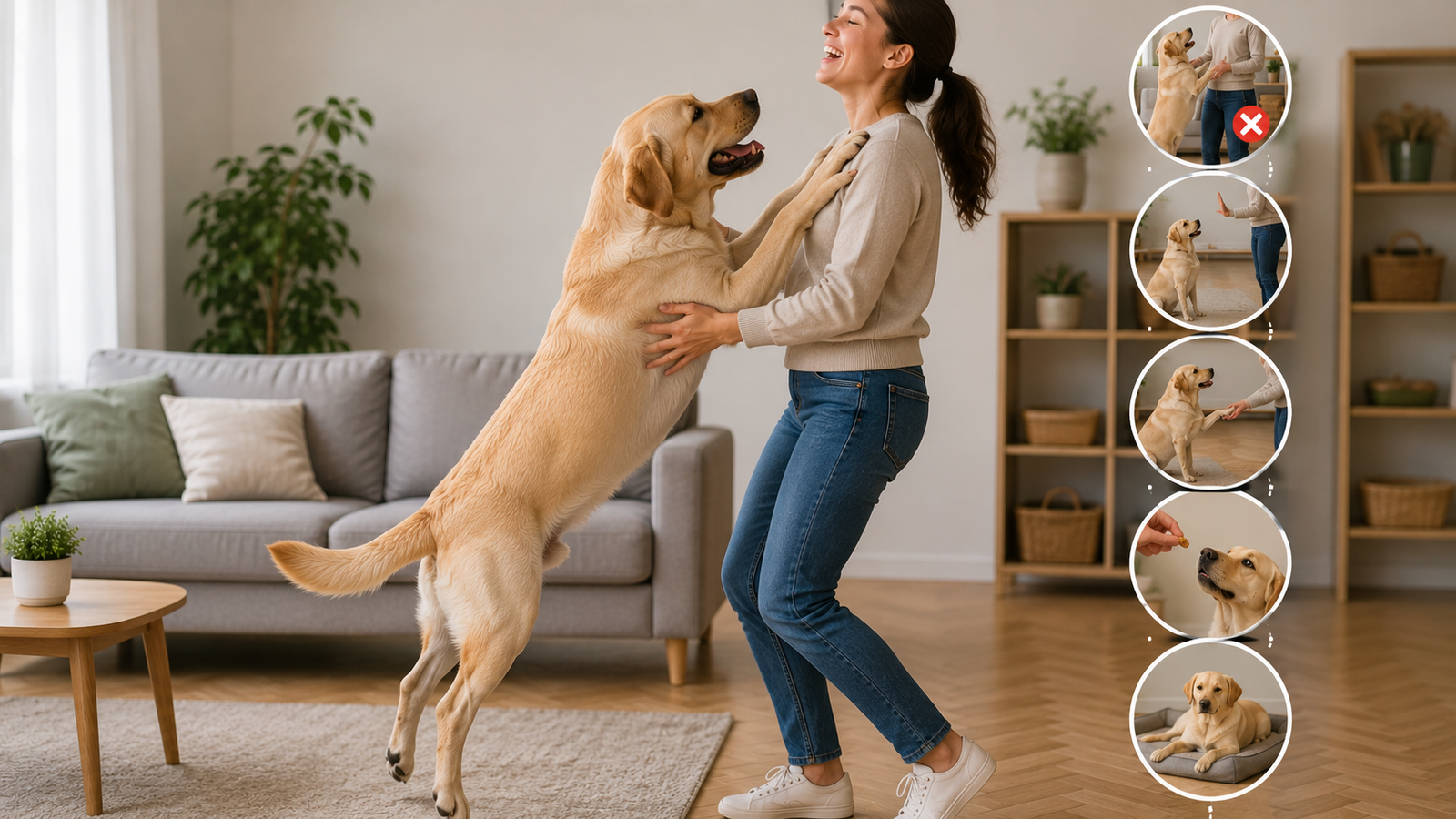
The way you say goodbye and hello heavily dictates your Labrador’s baseline emotional state. If you kneel down before leaving, hug your dog tightly, and say in a sad, high-pitched voice, “Oh, sweetie, I’m so sorry, please be a good boy, I’ll be right back!”, you signal that something incredibly significant and potentially dangerous is about to happen. Similarly, a chaotic, high-energy reunion rewards their frantic waiting state.
- The Modification: For fifteen minutes before you leave, ignore your Labrador completely. Walk out the door silently, without making eye contact or saying a single word.
- The Return Protocol: When you step back inside, do not look at, speak to, or touch your dog if they are jumping, whining, or spinning. Walk directly to the kitchen, pour a glass of water, take off your coat, and wait. The exact moment your Labrador settles down, drops their ears, and sighs, calmly drop down to deliver a quiet, low-frequency stroke along their chest. Teach them that your departures and arrivals are incredibly boring, non-events.
Step 3: Implement Sub-Threshold Micro-Absences
This is the core engine of separation recovery. You must practice stepping away from your dog without ever pushing them past their panic threshold—the exact point where their anxiety activates.
- The Execution: Walk to your front door, step outside for exactly two seconds, and step right back inside before your Labrador can even draw breath to whine. Repeat this multiple times.
- The Progression: Gradually scale the time outward. Move from 5 seconds to 15 seconds, then 30 seconds, then one minute.
- The Baseline Boundary: If your dog whines at the 5-minute mark, your previous successful step should have been at 4 minutes. You must always return before they vocalize. By controlling the timeline across hundreds of repetitions, you slowly stretch their mental comfort zone, showing them that isolation always ends in a safe, quiet reunion.
Step 4: Leverage the Parasympathetic Power of Licking
Licking is a powerful, self-soothing biological mechanism for dogs. The repetitive physical motion of licking triggers the release of endorphins and dopamine in the canine brain, activating the parasympathetic nervous system, lowering their heart rate, and promoting natural relaxation.
- The Strategy: Whenever you practice your micro-absences or need to step away into another room, provide your Labrador with an intense licking puzzle.
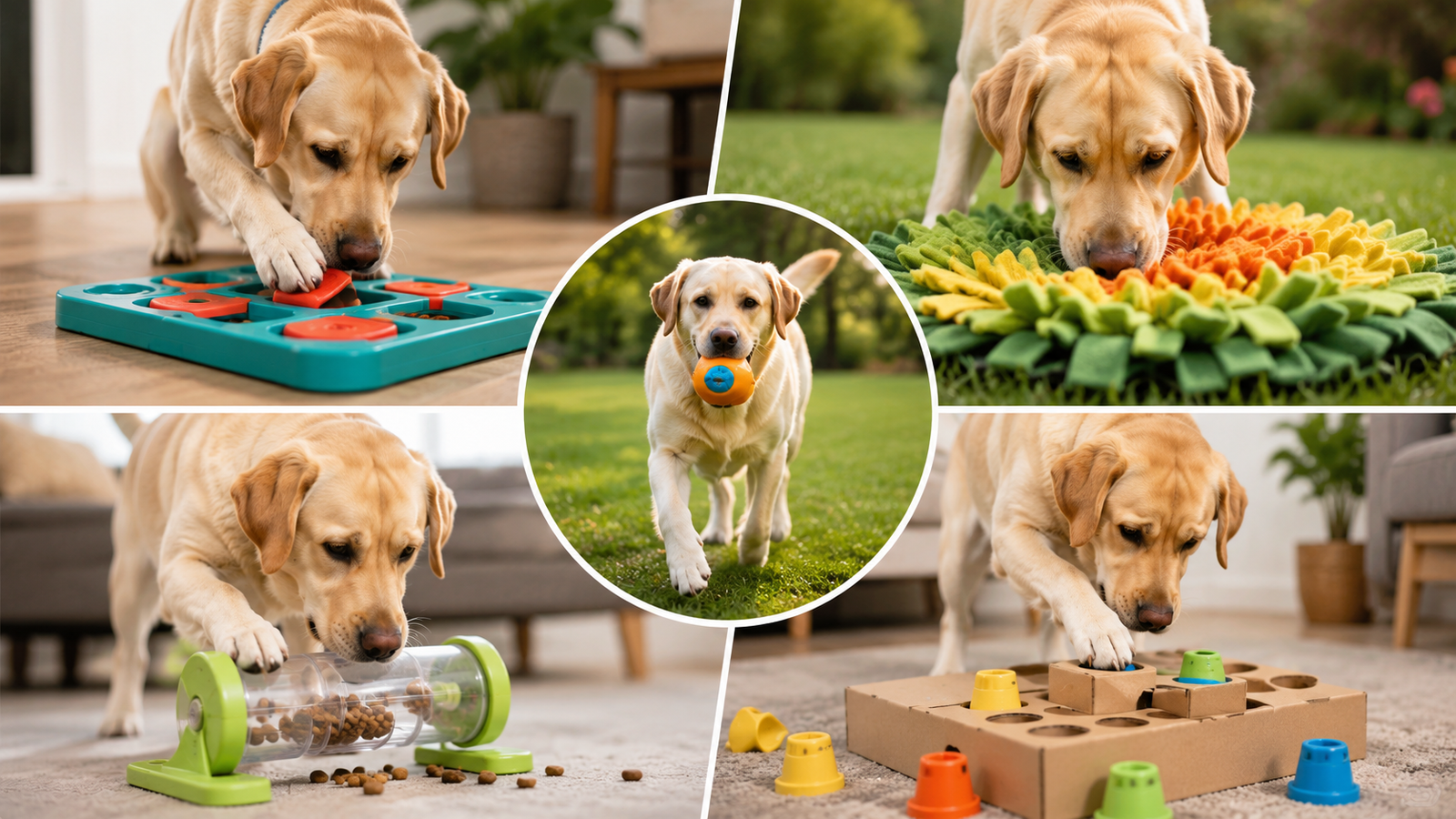
- The Recipe: Take a heavy rubber Kong toy or a textured lick mat and smear it with plain Greek yogurt, pureed pumpkin, mashed banana, or dog-safe peanut butter. Freeze the toy solid overnight to extend the challenge.
- The Conditioning Link: Give this premium item to your dog only when you are practicing your separation steps. The goal is to build an associative link in their brain: When my human steps away, this incredible puzzle appears. I actually look forward to this quiet time.
Step 5: Implement the “Independence Zone” Protocol
A dog with severe separation anxiety often acts as a constant shadow, following you from room to room, into the bathroom, and down every hallway. This behavior prevents them from practicing emotional independence.
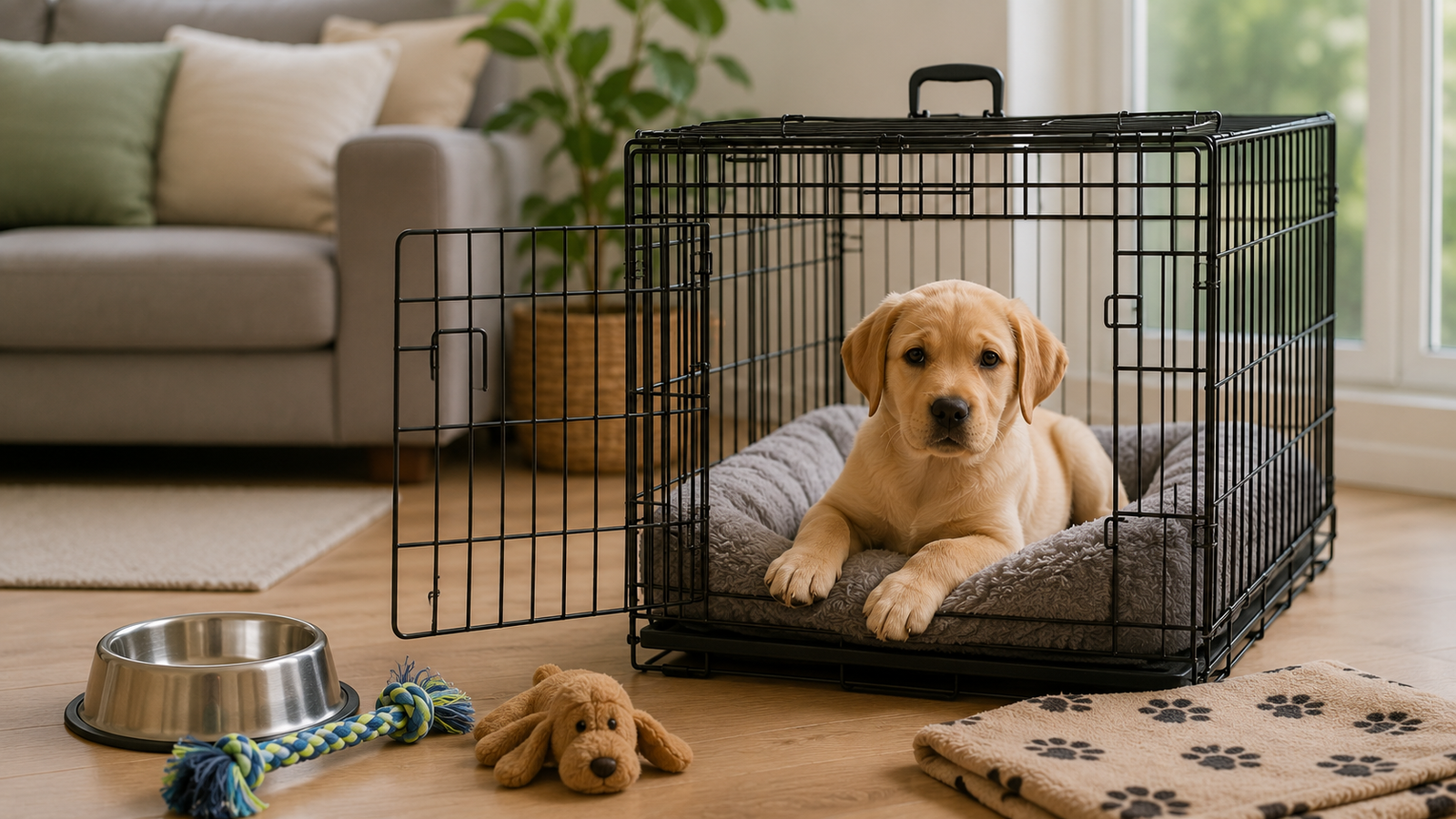
- The Setup: Use physical barriers like sturdy pet gates, playpens, or a designated training crate to build an “independence zone” right inside your home.
- The Implementation: While you are home cooking dinner or working at your desk, place your Labrador behind the gate with a favorite chew toy. You are still fully visible to them, but they cannot physically touch you or shadow your footsteps.
- The Value: This steps down their constant dependence on physical proximity, teaching them how to comfortably settle themselves while a boundary is present.
Separation Anxiety Management Matrix
To help manage your daily training and tracking routine, apply this baseline behavior management framework:
| Training Step Stage | Targeted Physical Action | Maximum Absences Goal | Primary Neurological Milestone |
| Phase 1: Cue Neutralization | Rattle keys, wear coats inside | 0 Seconds (Stay inside) | Extinguish the baseline adrenaline spikes triggered by departure pre-cues. |
| Phase 2: Micro-Absences | Step out the door briefly | 2 to 60 Seconds | Build a predictable history showing that your departure is always safe. |
| Phase 3: Expanded Duration | Short porch or driveway intervals | 2 to 15 Minutes | Keep the dog entirely below their internal panic threshold during absence steps. |
| Phase 4: Functional Independence | Leave home for brief errands | 30 to 60 Minutes | Solidify independent self-soothing behaviors (such as using a frozen Kong). |
3 Fatal Errors That Worsen Separation Panic
If your Labrador’s anxiety seems to be intensifying or staying stuck, immediately audit your environment for these three common missteps:
1. Punishing the Destruction After the Fact
Coming home to find a chewed wall or a ruined rug is incredibly frustrating. However, if you scream at your dog, drag them to the mess, or punish them, you will make their separation anxiety significantly worse.
A dog cannot connect a current punishment with an action that occurred hours ago. Instead, your anger simply teaches them that your arrivals are terrifying and unpredictable. This extra fear spikes their baseline anxiety, causing them to panic even harder the next time you leave.
2. Confining a Panic-Stricken Dog to a Standard Crate
While crate training is an excellent tool for most dogs, forcing a Labrador with severe, structural separation anxiety into a confined crate can be dangerous.
When a dog experiences a genuine panic attack inside a crate, they will often bite the metal bars until their gums bleed, break their teeth, or rip at the latches until they tear their claws. If your Labrador shows signs of severe confinement panic, pause crate use immediately. Instead, utilize a secure, puppy-proofed room separated by a tall, open-wire pet gate to prevent self-injury.
3. Using Comfort Traps (The “Goodbye Token” Myth)
Many owners try to fix the problem by tossing a standard biscuit to their dog right as they sprint out the door. This is known as a comfort trap.
For a truly anxious Labrador, the treat will simply sit untouched on the floor the entire time you are gone. An animal locked in a physiological fight-or-flight response experiences a complete shutdown of their digestive system, making food lose all its value. You must lower their baseline panic through systematic desensitization before they can comfortably accept and enjoy treats while you are away.
Frequently Asked Questions (FAQ)
Can medication help fix my Labrador’s severe separation anxiety?
Yes, behavioral medication can be an excellent supporting tool for severe cases. Prescription medications prescribed by a veterinarian or a veterinary behaviorist do not sedate your dog; instead, they help balance their brain chemistry, lowering their daily baseline anxiety. This makes it possible for your dog to reach a calm state where they can actually process and learn from your desensitization training. Medication should always be used alongside a structured training plan, rather than as a standalone quick fix.
Should I get a second dog to keep my Labrador company when I leave?
In most cases, no. Separation anxiety is typically directed specifically at human handlers, not a lack of animal companionship. Bringing a second dog into your home rarely cures true separation anxiety, and you run the risk of the new dog picking up on your Labrador’s frantic behavior, leaving you with two anxious dogs to train instead of one. Focus your energy on building your dog’s confidence with human departures first.
How long does it take to completely resolve a Lab’s separation anxiety?
Because separation anxiety is a deep-seated emotional panic response rather than a simple obedience issue, recovery takes time. Depending on the severity of the condition and how long the habit has been practiced, systematic desensitization can take anywhere from a few weeks to several months. Progress is rarely a straight line; you will experience excellent breakthroughs along with occasional minor setbacks. Stay patient, focus on celebrating small victories, and move at your dog’s pace.
Conclusion: Patience Wins the Battle
Dealing with a Labrador suffering from separation anxiety is an emotionally draining journey that requires immense empathy, consistency, and time. But remember: your dog isn’t trying to make your life difficult; they are simply struggling to cope with their fear.
By systematically breaking down their departure triggers, keeping your entries and exits calm, and using structured micro-absences to build their confidence, you can guide your loyal companion toward a calm, peaceful state of mind. Stay patient, celebrate every small step forward, and look forward to the day when you can leave your home with total peace of mind!
What is your Labrador’s absolute biggest trigger cue when you get ready to leave the house? Share your experiences or ask your training questions in the comments below!